Wondering which plant pairings are worth your bed space? This companion planting guide separates combinations backed by extension research from folklore. Corn, beans and squash, trap crops and nitrogen fixers hold up; marigold pest claims remain unproven.
If you are planning beds for the season, this page is one part of our broader guide to small farm vegetable gardening.
| Item | Value |
|---|---|
| Classic proven combination | Corn, beans and squash (the Three Sisters) |
| Marigolds and nematode control | Some reduction, but not always |
| Trap crop example | Collards to draw diamondback moth away from cabbage |
| Flower types for season-long pollinator food | Three types: umbellifer, tubular and open-faced |
| Polyculture | Multiple crops in the same space at the same time |
These figures come from UC Master Gardeners (article dated April 1, 2024) and Virginia Tech Extension. Research and recommendations can change, so check the sources before you rely on them.
What companion planting means in practice
Companion planting is growing two or more compatible plants close together to attract beneficial insects, repel pests, or help one another grow. Virginia Tech Extension describes it as a form of polyculture, the opposite of a large single-crop stand. You can read that definition in the Virginia Tech publication.
The idea is old. Utah State University Extension notes that texts dating back to 200 BCE mention companion planting methods, and that many ancient societies used them.
Age is not proof, though. The UC Master Gardeners warn in their April 2024 article that much of the gardening advice online is anecdotal, based on tradition, or plain mythological. So the useful question is not whether a pairing is popular, but what the evidence says.
Which pairings have solid backing?
The best-known example is the Three Sisters planting of corn, beans and squash. According to the UC Master Gardeners, the corn stalks support the bean vines, the beans fix nitrogen in the soil, and the large squash leaves shade the roots.
Virginia Tech Extension adds that the squash produces prickly vines that can keep pests such as rabbits away. The same publication calls corn the supportive sister, the bean the giving sister and squash the protective sister.
The UC article also lists tips that Master Gardeners can offer with confidence:
- Nitrogen fixers: peas, beans and cover crops such as clovers raise nitrogen levels in the soil.
- Beneficial insect habitat: host plants like artemisia shelter predatory insects such as lady beetles, which helps reduce pest numbers.
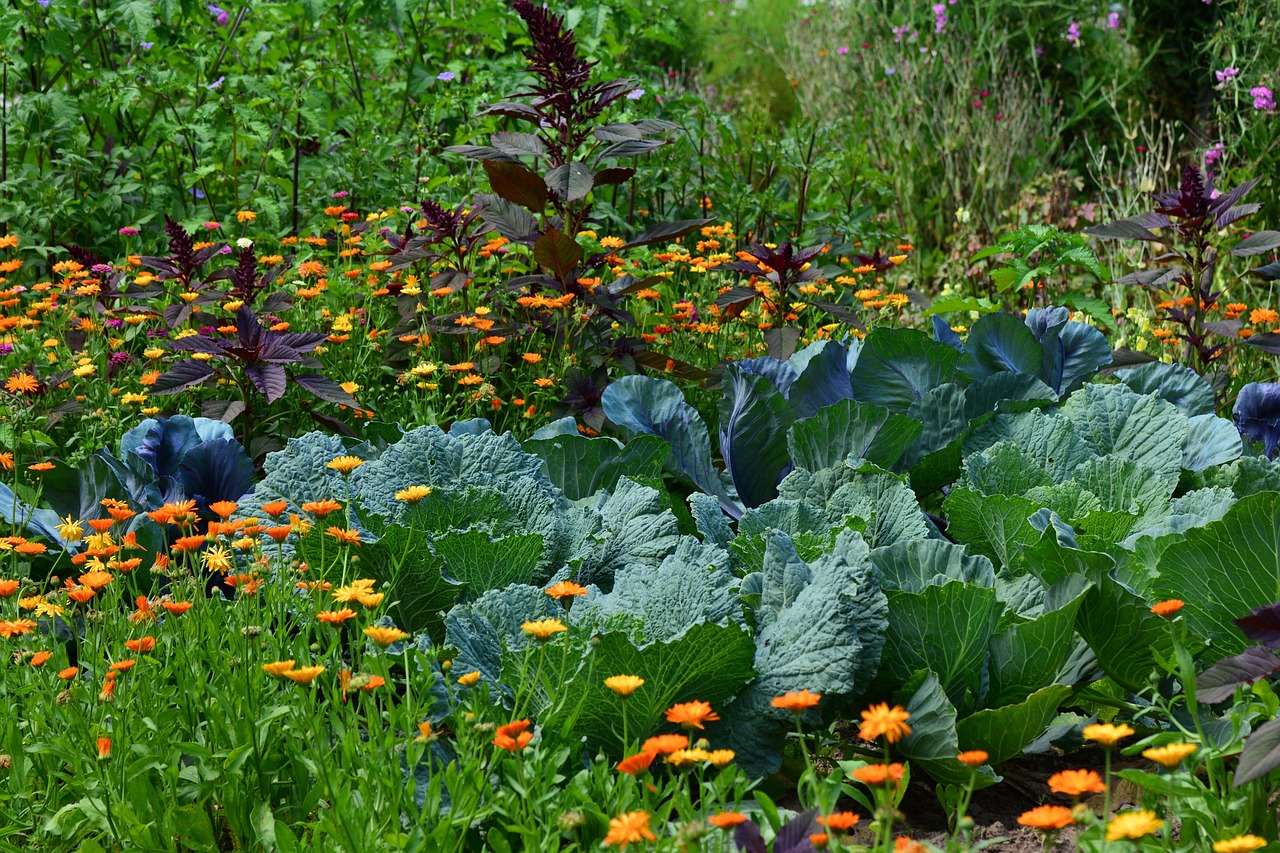
- Succession bloom: mixing umbellifer (dill, Queen Anne’s lace), tubular (penstemon) and open-faced (daisies, coreopsis) flowers keeps nectar and pollen available all season.
- Shade layering: taller sun-loving plants beside short ones shade the shorter plants, which discourages weeds and keeps roots cooler.
Notice that none of these depend on a mysterious chemical effect. They rely on structure, shade, soil nitrogen and habitat, which you can see working in your own beds.
Trap crops and habitat plants
Trap cropping means growing a plant that pests like better than your main crop. As Virginia Tech Extension puts it, the goal is to distract insects from the main crop with plants that attract them the most, which you can confirm in the publication.
Two examples from the same source stand out:
- Collards draw the diamondback moth away from cabbage.
- Blue Hubbard squash attracts squash bugs, squash vine borer, and spotted and striped cucumber beetles.
Utah State University Extension lists further trap pairings: nasturtiums for aphids and flea beetles, and radishes to pull flea beetles, root maggots and cabbage maggots away from the cabbage family, as the USU page explains. Sacrificial plants will get damaged, so site them at the edge of a bed rather than in the middle of your harvest.
Where the myths creep in
Marigolds are the classic case. The UC Master Gardeners say it is not clear from science-based studies whether marigolds repel pest insects or control nematodes, even though many gardeners firmly believe they do (see the UC article).
There is some evidence that green tilling French marigolds into the soil the season before planting reduces the nematode population somewhat, but not always. Tucking a few marigolds between your tomatoes is a pleasant habit, not a proven pest control.
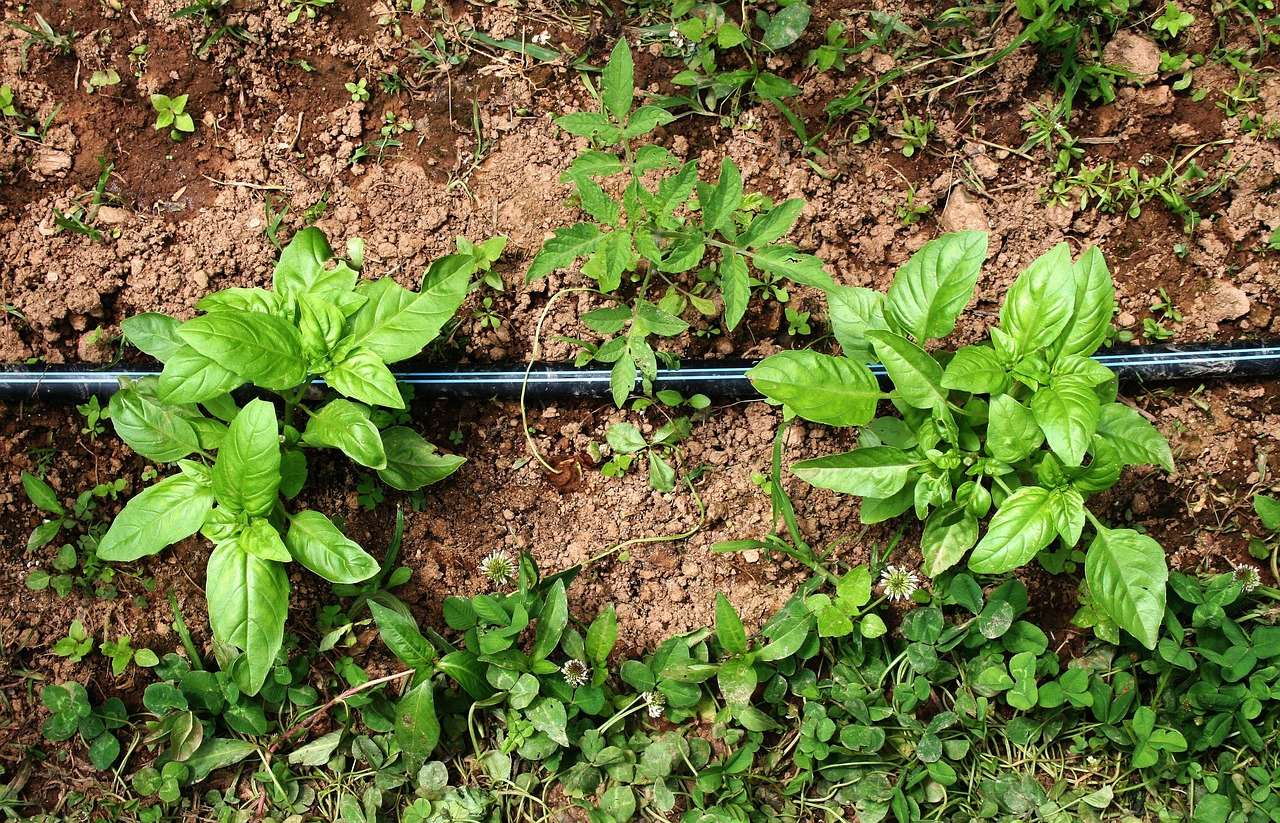
Other pairings sit in a grey zone. Utah State University Extension lists tomatoes with basil, saying basil repels insects such as thrips, on its companion planting page. Treat claims like this as a reasonable thing to trial, not a guarantee.
Internet advice also tends to skip the practical details. The UC Master Gardeners point out that planting timing and the best varieties for a given climate zone are not always provided, per the same article.
How to test a pairing in your own garden
A small trial tells you more than any list. Follow these steps:
- Choose one pairing with a clear mechanism, such as beans climbing corn or a radish trap row.
- Plant a matching control bed of the main crop alone, in the same light and soil.
- Note pest damage, vigor and harvest weight for both beds through the season.
- Keep what helps, drop what does not, and change only one thing the next year.
Closely planted beds still need reliable moisture, and our guide to drip irrigation for vegetable garden beds covers one way to deliver it. If you grow to sell, read how to start a market garden before committing large areas to an untested combination.
Frequently asked questions
Is companion planting backed by science?
Show answer
Parts of it are. Nitrogen fixation by legumes, shading, trap crops and habitat for predatory insects have support, while many specific plant-versus-pest claims have little testing behind them.
Will marigolds protect my vegetables?
Show answer
Do not count on it. Tilling French marigolds into the soil before planting may lower nematode numbers somewhat, yet results vary and the insect-repelling effect is not well studied.
What makes a good trap crop?
Show answer
It has to be more attractive to the pest than the crop you want to protect. Virginia Tech Extension says the plant can be a different species, a more appealing variety, or the same crop sown at a more tempting time, as described in its companion planting publication.
Can sunflowers hold up my beans?
Show answer
Utah State University Extension says sunflowers can support climbing plants such as beans or cucumbers, as noted on its companion planting page. Give them room so they do not shade smaller neighbors.