Torn between ducks vs chickens for your farm? Chickens lay more eggs sooner, while ducks are hardier, forage well and keep laying longer. Choose by your space, water access and goals.
This guide is part of our look at livestock for small farms, where each animal is weighed against space, time and budget.
| Item | Value |
|---|---|
| Feed needed per pound of eggs | Chickens about 1.6 pounds; ducks about 2.5 pounds |
| Peak eggs per year | Chickens over 300 eggs; ducks up to 220 eggs |
| Years of fertility per hen | Chickens one to two years; ducks two to three years |
| Age at first egg | Chickens 4-5 months; ducks 6-7 months |
| Share of food ducks can forage | Up to 90 percent |
These figures come from NPR’s reporting on duck eggs and a duck-versus-chicken guide from Kalmbach Feeds, a feed maker with no tie to this site. Breed, feed and management change the numbers, so check the sources before you rely on them.
Which lays more eggs: ducks or chickens?
Chickens win on raw volume. NPR quotes a poultry scientist saying laying chickens can now produce over 300 eggs a year while ducks lay 220 eggs max. Chickens also turn feed into eggs more efficiently: about 1.6 pounds of feed per pound of eggs, against about 2.5 pounds for ducks (NPR).
Ducks win on staying power. The same NPR piece says duck hens stay fertile for two to three years, compared with one to two years for a typical chicken hen. Gail Damerow’s excerpt adds that duck hens lay well into their fourth year, though some breeds only lay seasonally.
Timing matters too. Kalmbach says chickens start laying at 4-5 months, while ducks begin at 6-7 months. It also says most ducks lay regularly all year, whereas chickens are seasonal and usually stop in winter (Kalmbach Feeds).
The eggs themselves differ. Duck eggs typically carry more fat and cholesterol and a bit more protein than chicken eggs, per NPR. If you raise birds for the table, duck meat is darker because it is higher in iron and the red protein myoglobin (Storey Publishing).
Housing, fencing and yard space
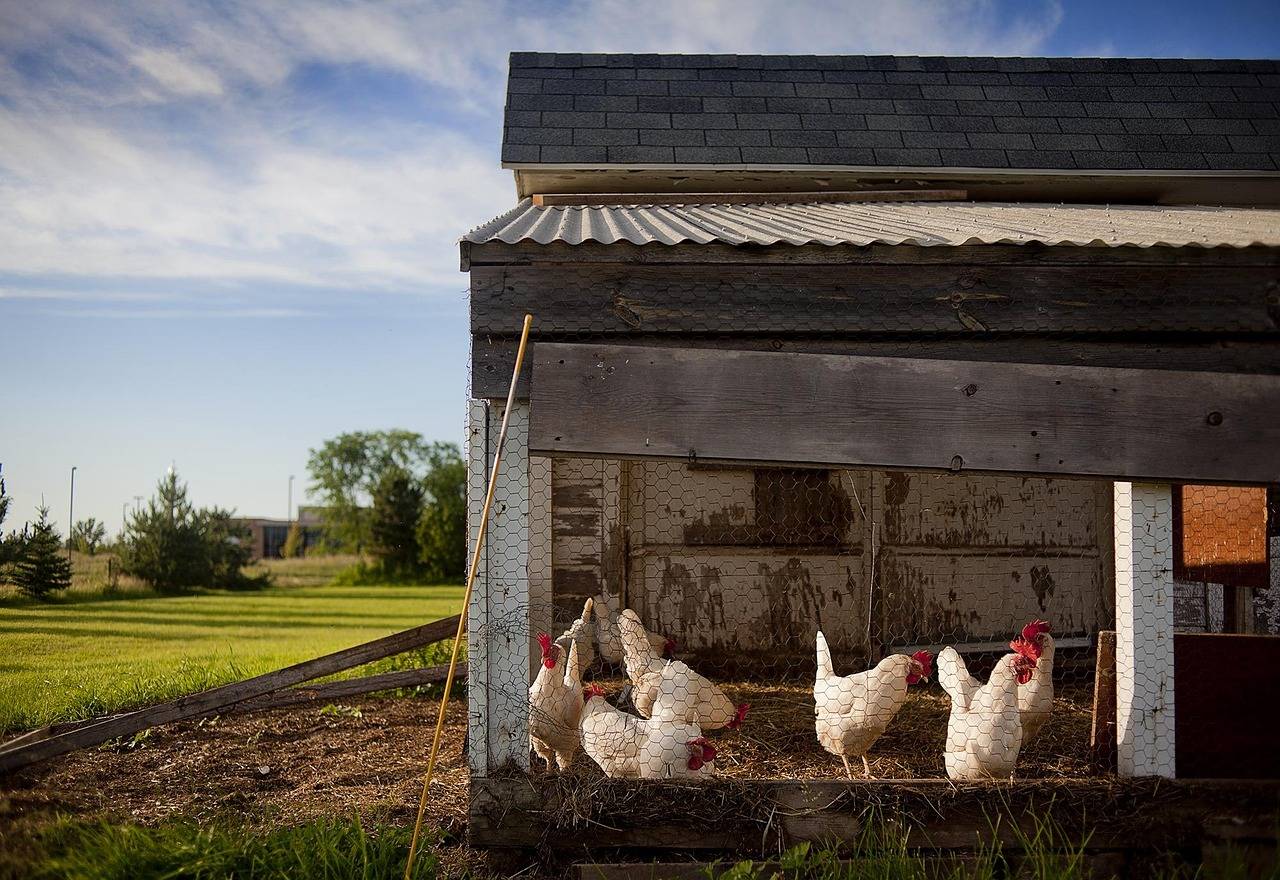
A duck house can be simpler than a chicken coop. Except for Muscovies, ducks don’t roost, so they need no perches, and they lay on the ground, so they need no elevated nests (Storey Publishing). Kalmbach says a duck house needs litter and a water source, with the water kept outside because ducks make such a mess of it.
Compared with a chicken coop, a duck house can usually skip:
- Roosting perches
- Elevated nest boxes
- Winter-fortified walls, since ducks cope with cold fairly well
Fencing is another difference. For most duck breeds, a foot-tall fence or similar barrier is enough to keep them in a section of garden, while chickens clear it easily (Storey Publishing). Kalmbach notes that chickens need higher fences because they fly and love causing chaos.
Yards behave differently as well. Ducks won’t quickly turn a yard into hardpan or dig dust-bathing bowls, but they will churn up a muddy mess around their drinking water or wading pool (Storey Publishing). Typically, ducks also want more room than chickens, and the water they need can complicate the layout (Kalmbach Feeds).
Health, predators and daily care
Ducks are the tougher birds. Ducklings are much hardier than chicks and less prone to chilling, and ducks are much less susceptible to disease than chickens (Storey Publishing). Kalmbach agrees that disease resistance favors ducks, though it warns that keeping them healthy is complicated by their need for water.
Predators are the trade-off. Ducks can’t run as fast and tend to stick together where chickens scatter, which makes them easier for a predator to catch. Kalmbach says domesticated ducks fly poorly and waddle slowly, so they need slightly more predator protection, and a cover over the fencing helps against aerial predators.
Daily routines also differ in ways that affect your chores:
- Water: chickens only need clean drinking water, but ducks want water to play in and dunk their heads (Kalmbach Feeds).
- Nights: ducks can see in the dark and will wander in and out all night if you don’t close the coop.
- Droppings: the average duck poops about twice as much per day as the average chicken, and the mess is soupier (Storey Publishing).
Foraging, pests and manure
Ducks earn their keep as pest hunters. One farmer told NPR his ducks forage up to 90 percent of their food, working through slugs, snails and insects near his avocado trees (NPR). On pasture, Kalmbach says ducks are less destructive than chickens and mostly graze, with only small holes dug while hunting bugs.
Manure is a second point in their favor. That same farmer says duck manure is not too hot to put right on trees, unlike chicken manure, which can burn trees if not composted first (NPR). Keep numbers in proportion to your ground, though, because a crowded duck yard can lose its vegetation to nitrogen-rich droppings (Storey Publishing).
Feed is where ducks can cost more. A small-farm owner in the NPR piece says ducks eat a lot more than chickens, which hurts in winter when forage is thin. His feed costs dropped to about half once spring forage arrived (NPR).
Can you keep ducks and chickens together?
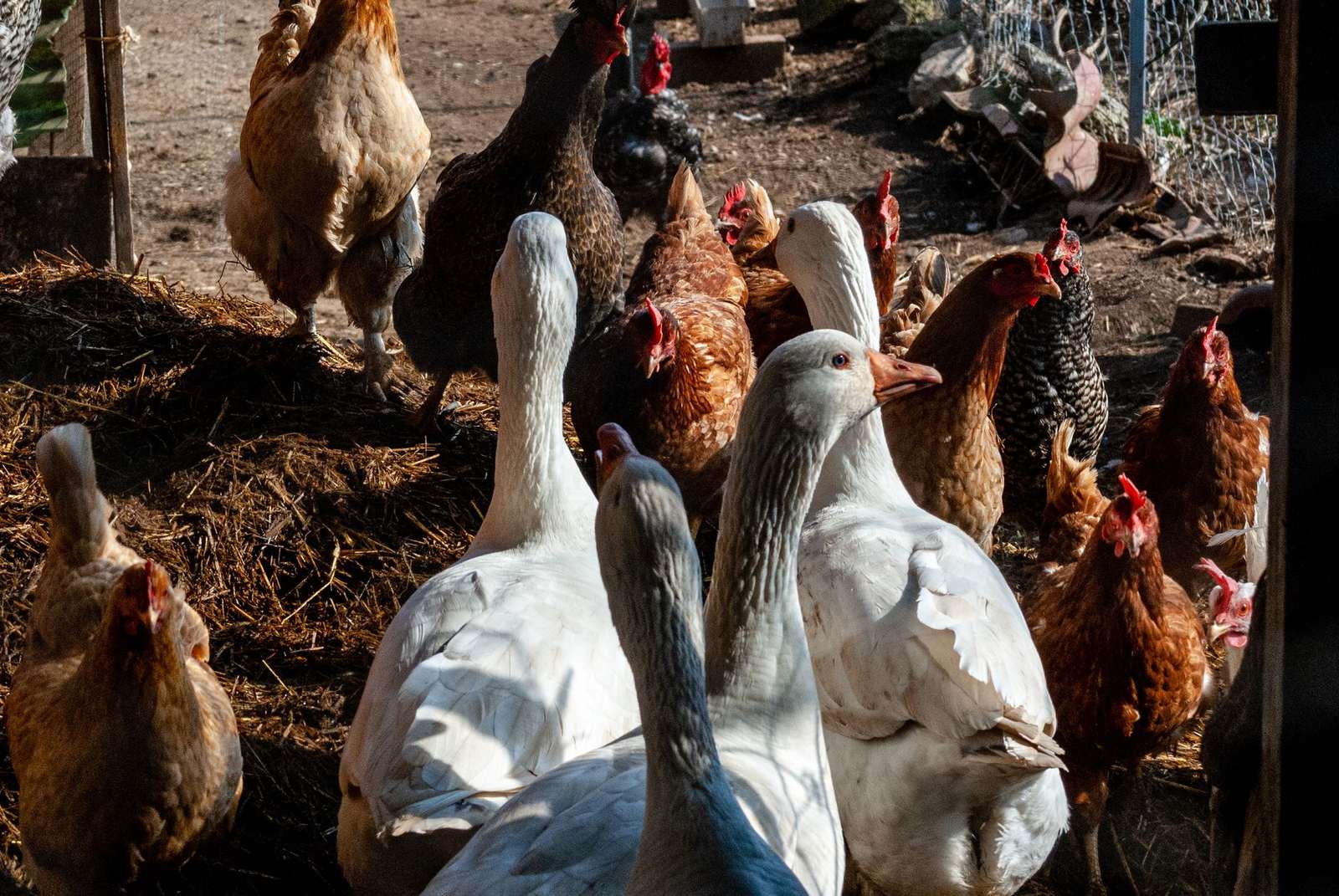
The short answer from Storey Publishing is yes and no. Ducks and chickens can share living space if you account for their different needs and behaviors (Storey Publishing). Plan for separate sleeping arrangements, a water setup that stays away from the chicken area, and shelter that fits both.
Temperament is mostly mild. Calmer duck breeds, especially females, tend to be friendlier than most chicken breeds, and ducks don’t care much about the pecking order. Ducks also aren’t cannibalistic the way chickens can be.
Water is the real hazard for mixed flocks. Chickens lack waterproof plumage and webbed feet, and an unsupervised chicken that ends up in deep water can get waterlogged and drown (Storey Publishing). Keep any duck pool shallow if chickens roam nearby.
How to choose for your farm
Kalmbach suggests asking three questions before you buy: what climate you live in, how much space you have, and whether you can supply water. Use your answers with this list.
- Lean toward ducks if your land is wet, slugs and insects are a problem, you can provide water, and you want hens that lay for more years.
- Lean toward chickens if you want the most eggs per bird, earlier laying, or drier conditions, since Kalmbach says chickens should be kept drier than ducks.
- Consider both if you can manage separate roosting and water, and want pest control plus egg volume.
If pasture is your limiting factor, our guide to how many cows per acre shows how much larger animals change the math. Our guide to raising meat rabbits for beginners covers another compact option if meat matters more than eggs.
Frequently asked questions
Do ducks lay more eggs than chickens?
Show answer
Not in a single year. Hens bred for laying out-produce ducks annually, but duck hens keep producing for more seasons before they slow down.
Are ducks easier to raise than chickens?
Show answer
In several ways, yes. They are easier to fence, less prone to illness and need simpler housing. They also demand more water, produce wetter droppings and need stronger predator protection.
Do ducks need a pond?
Show answer
The sources describe a drinking station or wading pool rather than a pond. What matters is that ducks can play in water and dunk their heads, which chickens don’t need (Kalmbach Feeds).
Are duck eggs nutritionally different from chicken eggs?
Show answer
They can be. NPR cites Backyard Poultry as saying the exact profile depends on what the ducks eat, so a bug-rich diet may change what ends up in the egg (NPR).