Not sure what to sow once the tomatoes are done? The best cover crops for vegetable gardens to start with in fall are oats, field peas, oilseed radish and buckwheat.
This guide belongs to the wider topic of small farm vegetable gardening, where soil care and planning go hand in hand.
| Item | Value |
|---|---|
| Fall sowing window (Iowa State) | Late August through early October |
| Ideal fall sowing period (Maryland) | August 15 to October 1 |
| Wait after ending a surviving cover crop | 2-3 weeks before planting vegetables |
| Typical summer fallow gap | 4-6 weeks |
| Seed rate for a two-species mix | About 60% of the single-crop amount, per species |
These figures come from Iowa State University Extension and University of Maryland Extension. Dates and rates can change with your climate and with new guidance, so check the sources before you rely on them.
What cover crops do for a vegetable garden
Cover crops are plants grown to improve a soil’s physical structure and fertility rather than to be harvested, as UW-Madison Extension describes them. They also help prevent erosion, reduce weed problems and give beneficial insects a place to live.
Once the plants are worked into the soil, they add organic matter and improve the soil’s overall physical structure, according to the same Wisconsin guide. That helps water soak in and helps the soil hold on to water and nutrients.
Growing vegetables year after year can reduce the productivity of the soil over time, Iowa State points out. Maryland Extension adds that cover crops are especially handy where composted leaves or animal manure are hard to come by.
Compost is the other main way to add organic matter, and you can read about how to start composting on a farm if you want to use both methods side by side.
Which cover crops are best for vegetable gardens?
The honest answer is that it depends on your goal, whether that is weed control, soil building or fertility. Iowa State says that if you are new to cover crops, these are the best ones to start with, grouped by when you sow them.
- Fall planting: oats, field peas, oilseed radish and buckwheat.
- Summer planting: buckwheat, oilseed radish, yellow mustard and cowpea.
- Year-long planting: sorghum-sudangrass, field peas, sunn hemp and cowpea.
Pea-family crops are nitrogen fixers: bacteria in their roots convert nitrogen gas from the air into a form plants can use, as the Wisconsin guide explains. Illinois Extension lists popular mixes such as winter rye and peas, or clover, vetch and winter rye.
Here is how some common fall options compare.
| Crop | What to know |
|---|---|
| Oats | Killed by the first hard freeze, leaving a brown mat in spring |
| Winter rye | Very hardy, builds a massive root system and can be planted the latest in fall |
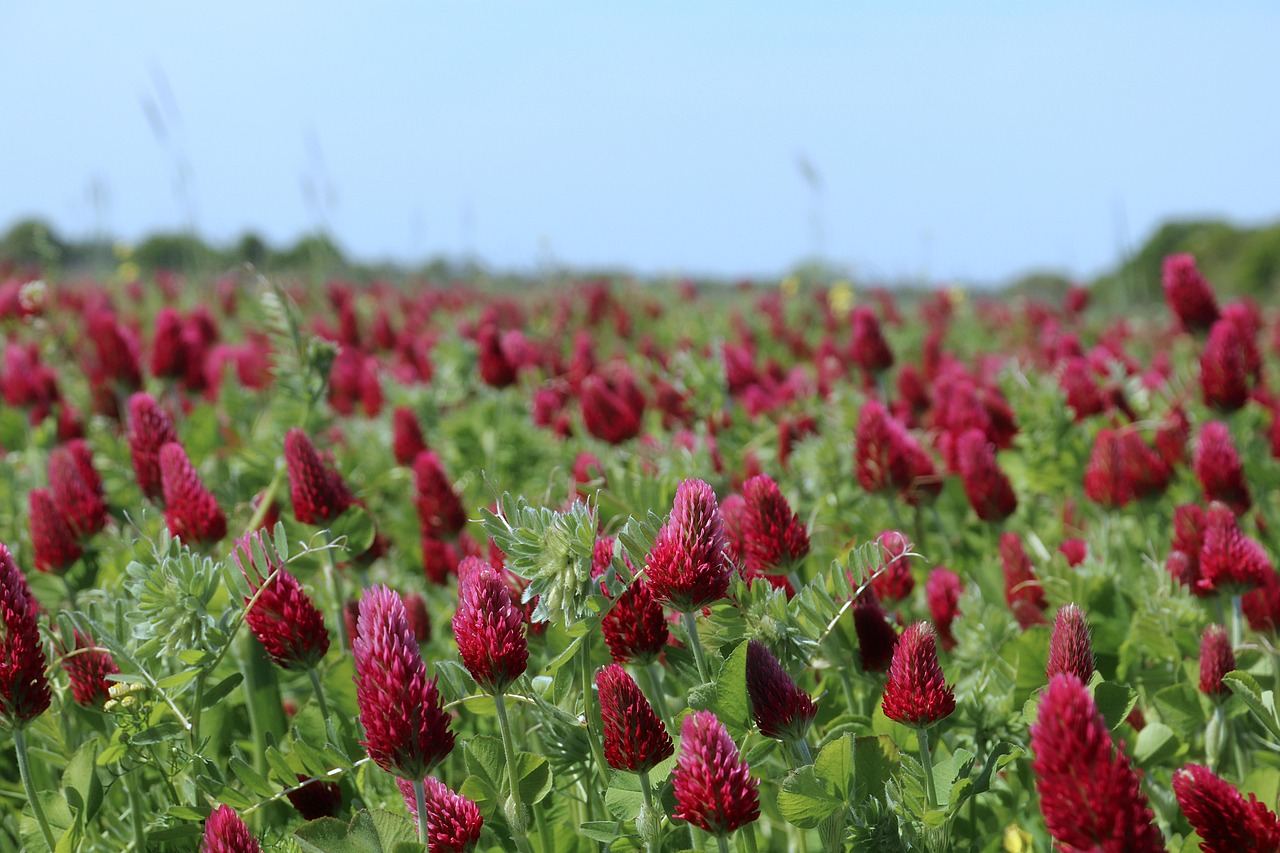
| Crimson clover | A legume with showy flowers |
| Forage radish | Deep taproots help break up compacted or heavy clay soil |
| Hairy vetch | Very hardy but slow to establish; can become weedy, so till it under at bloom |
| Winter wheat | Easier to manage and end in spring than rye or barley |
The notes above are drawn from the University of Maryland Extension cover crop chart and its photo captions; check it for the full list and sowing amounts.
When to plant cover crops
Fall is the easiest slot. Iowa State says planting can run from late August through early October depending on the crop, while Maryland gives an ideal sowing period of August 15 to October 1, as set out on the Iowa State and Maryland pages.
Illinois Extension advises planting at least four weeks before consistent cold weather so plants can establish before winter, in its fall cover crop article. Most can go in right after you pull the last vegetables.
Summer has its own opening. Garden space may sit fallow for 4-6 weeks between a short crop like radish and fall spinach, and fast-growing cover crops can be planted from late June to early July and ended 2-3 weeks before fall planting, usually by mid-August, per Iowa State.
If you garden in a mild area, the University of Delaware lists dates for zone 7 that show how much crops differ:
- Cereal rye: reliable establishment September 21 – November 15.
- Forage radish: reliable establishment August 10 – August 31.
How to sow and manage a cover crop
Sowing is simple, and the steps below combine the advice of several extension services.
- Clear the bed of large stones, debris, old vegetable plants and weeds, then loosen the soil with a fork and rake it smooth.
- Broadcast the seed by hand, ideally just before rain. Mixing seed with soil or compost, or small seed with sand, makes it spread more evenly.
- Rake the seed in lightly and press it down, because seed must touch soil to germinate.
- Water gently, and keep the bed moist if the weather stays dry.
For a two-species mix, Maryland Extension suggests about 60% of the recommended amount for each crop. It also recommends coating legume seed with an inoculant powder before sowing.
The Wisconsin guide notes that the right bacterium may not exist in your soil, so treat pea-family seed the first time you grow it.
Ending a cover crop before it becomes a weed
An exit plan matters as much as the sowing. Iowa State warns that cover crops not killed at the right time can become difficult weeds, and that for most home gardeners a crop that winter-kills is the best option, as stated in its cover crop guide.
For hardy crops, cut them down when or just before they flower. That stops reseeding and keeps the plant from pulling nutrients into seed, per UW-Madison Extension.
Then give the residue time to break down. Extension advice varies a little:
- Iowa State: terminate surviving crops 2-3 weeks before planting vegetables.
- Oregon State: incorporate residue three to four weeks before planting.
- Illinois Extension: till it in two to four weeks ahead, because breakdown uses up nutrients.
Gardeners who prefer not to till are having success with tarping, according to Oregon State University Extension.
Fitting cover crops into your rotation
Match the crop to what follows it. Wisconsin says a winter-killed cover such as oats suits beds you want to work early for spring greens, peas and radishes, while winter rye suits beds headed for tomatoes, peppers and squash, per its home garden guide.
A cover crop can fill a gap in your crop rotation plan for vegetable garden beds, so decide ahead which bed gets which crop.
If pests, disease or low fertility show up, Iowa State says a cover crop for the whole growing season beats leaving the bed fallow.
For your first try, reserve a spot for vegetables you normally plant in May or June, which leaves time to manage the residue in spring, as Oregon State advises.
Frequently asked questions
Can I grow cover crops in raised beds?
Show answer
Yes. Illinois Extension’s horticulture educator says gardeners can even sow them in raised beds, so a small plot does not rule them out.
Do I need to treat legume seed?
Show answer
It helps. Pea-family seed can be coated with the matching bacteria so nitrogen fixing starts sooner, and this matters most the first year a bed grows the crop.
Which cover crop is easiest for a beginner?
Show answer
Oats are Maryland’s pick for a first attempt, since the cold kills them. Oregon State suggests crimson clover or phacelia as easy options to grow and manage.
What if I miss the fall window?
Show answer
Choose winter rye, which Maryland says can go in the latest in fall, and sow it as soon as you can. Count back about a month from the start of steady cold so seedlings can get established.