Wondering how to start a small farm without wasting a season? Start with a plan, a look at your land, and a call to your local USDA office, then add money, markets and equipment one step at a time.
| Item | Key fact |
|---|---|
| Beginning-farmer lending focus | First 10 years of operation |
| FSA loan tools for start-ups | Farm Ownership, Operating and Microloan programs |
| USDA contact for newcomers | State Beginning Farmer and Rancher Coordinators |
| Where to find local programs | Your local USDA Service Center |
| Crop acreage reporting | Required for several USDA programs |
These facts come from the USDA’s farmers.gov beginning farmer page and the Farm Service Agency beginning farmer loan page. Program details can change, so check the source before you rely on them.
Build the plan before you buy anything
The most useful early move is to write down what the farm is for. Food for your family, a side income and a full-time living lead to very different choices about land, animals and equipment.
USDA’s beginner pages tell new producers to think about their operation from the ground up and to start planning for the business, according to the farmers.gov new farmers page. A written plan keeps that thinking out of your head and on paper, where you can test it.
Our guide to a small farm business plan walks through goals, costs and a simple budget. Before you borrow, ask the question that guide helps with: can you make a living on a small farm?
Here is the roadmap this guide follows:
- Set your goals and write a simple plan.
- Match your land to what you want to grow or raise.
- Choose one or two enterprises to start.
- Line up funding, insurance and records.
- Decide where and how you will sell.
- Buy equipment only as the work demands it.
Find land that fits your goals
Land is the biggest early decision, and it is easy to get wrong. Soil, water, slope and access matter as much as the size of the parcel.
Size depends on what you plan to do. Our guide on how many acres do you need to farm explains how vegetables, animals and hay change the answer.
If you are farming land that was handed down in your family, there is a paperwork step to know about. According to the farmers.gov new farmers page, you establish a farm number on inherited land to become eligible for USDA programs.
The same page lists soil health among its conservation topics, with principles for working with the land, not against it. Treat that as a reason to walk the ground, dig a few holes and learn what you are buying before you sign.
Choose what to grow or raise
Most beginners do better with a narrow start than with a little of everything. Pick one or two enterprises, learn them well, and add more once the routine feels easy.
If animals appeal to you, read our overview of livestock for small farms before you build fencing or shelter. If you lean toward produce, small farm vegetable gardening covers the basics of beds, crops and seasons.
USDA organizes its help by what you produce. Its pages cover livestock operations, and specialty crops such as fruits and vegetables, along with row crops, as shown on the farmers.gov new farmers page.
The same page notes that no matter the size of your operation, USDA can help it grow. Small-scale and urban growers each have their own section there.
How do you pay for a new farm?
Money is where many first-year plans fall apart, so look at every option early. The USDA says it has spent decades helping new producers find land and money for their businesses, per the farmers.gov new farmers page.
The Farm Service Agency runs the main lending programs for beginners. Its page says there is a special focus on the credit needs of farmers and ranchers in their first 10 years of operation, and that each year it sets aside a portion of loan funds for beginning operations, per the FSA beginning farmer loan page.
The loan tools it describes for newcomers include:
- Farm Ownership loans, which can provide access to land and capital.
- Operating loans, which can help pay normal operating or family living expenses and support new markets or diversifying operations.
- Microloans, described as an important source of financial help during the start-up years.
One detail trips people up. Apart from the Direct Farm Ownership Down Payment Loan, the beginning farmer label points to a targeted funding source rather than a separate loan type, according to the FSA page.
Loans are not the only place to look. Our roundup of small farm grants covers money you may not have to repay.
Protect the farm and keep good records
A farm carries risks that a regular household does not. Weather, animal losses and injuries can wipe out a year of work.
The USDA says it offers programs that provide coverage for producers to manage risk and protect operations from natural disasters, plus price support, on the farmers.gov new farmers page. Private coverage is a separate question, and farm insurance for small farms explains what to ask an agent.
Start a simple ledger on day one, even before you earn anything. It makes tax time easier, and our guide to farm tax deductions shows which costs are worth tracking.
Also check whether a program you want requires a report. The USDA states that crop acreage reporting is required to be eligible for several of its programs, per the farmers.gov new farmers page.
Plan your sales and equipment
Decide how you will sell before the first harvest, not after it. USDA’s beginner page points to resources on producing, marketing and actually selling your final product, on the farmers.gov new farmers page.
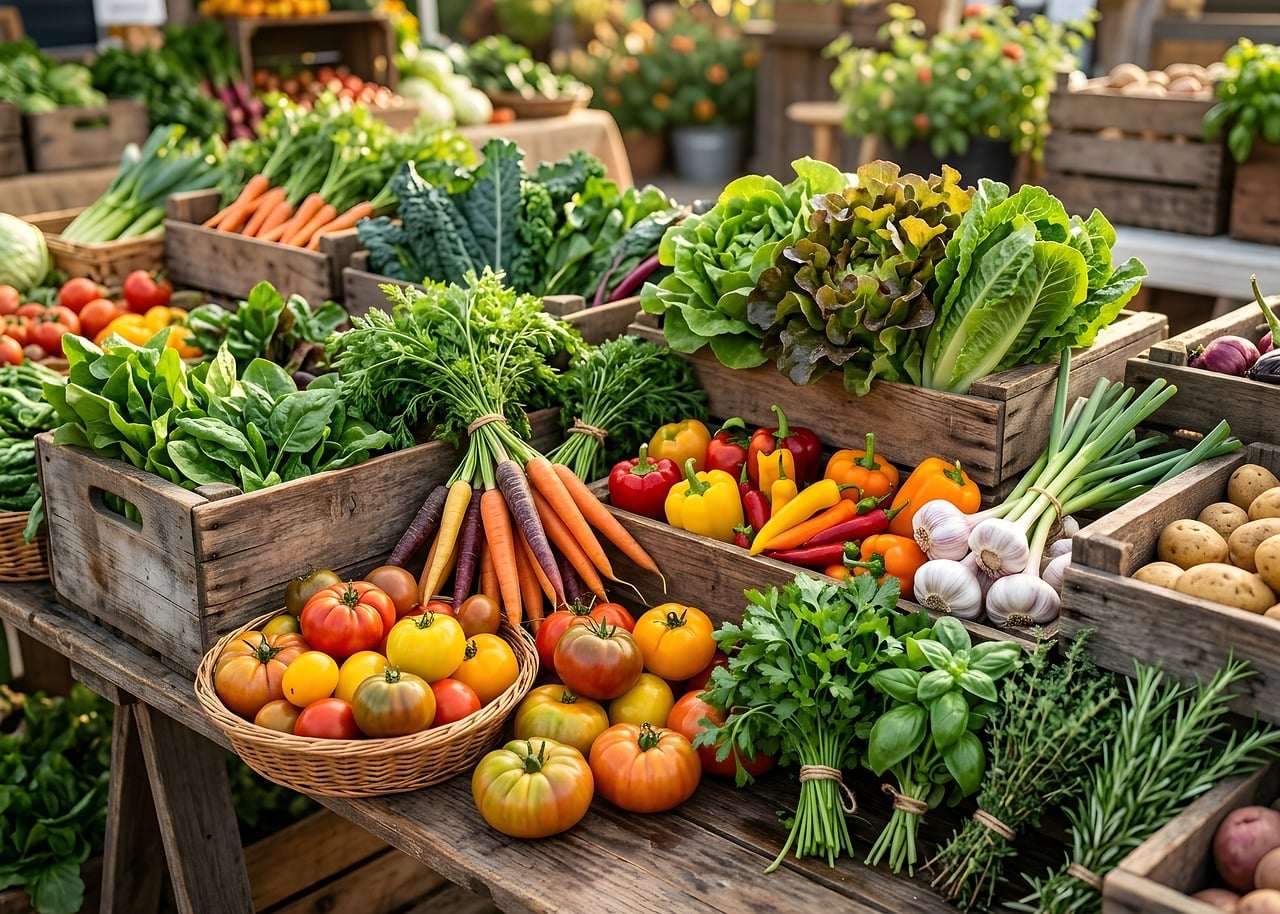
For many small growers, a local market is the first outlet. Our walkthrough of how to sell at a farmers market covers booths, pricing and what to bring.
Equipment is the last big purchase to make, not the first. Borrow, rent or buy used while you learn which jobs truly need a machine, and then read up on the best compact tractor for small farm use if a tractor proves worth it.
Get local help from USDA
You do not have to sort through programs alone. The USDA says to get in touch with your local Service Center to find programs that support your operation, per the farmers.gov new farmers page.
The same page says state coordinators can help you understand the USDA process and find the right assistance as you are starting out. Call before you buy land or sign a loan, so the answers can shape the decision.
Frequently asked questions
Who can guide me if I have never farmed before?
Show answer
Your state’s Beginning Farmer and Rancher Coordinator is a good first contact, according to the farmers.gov new farmers page. Your local USDA Service Center can also point you to programs that fit your situation.
Is there lending aimed at new farmers?
Show answer
Yes. The Farm Service Agency describes Farm Ownership, Operating and Microloan options for people early in their farming careers, as listed on its beginning farmer loan page. Ask a loan officer which one matches your plan.
Do I have to buy land to begin?
Show answer
No rule says you must. Many beginners lease or borrow land to learn first, and buying can come later once you know what the farm needs. If you do buy, Farm Ownership loans are one financing route to compare.
What should I grow or raise first?
Show answer
Choose the enterprise that fits your land, your time and the buyers near you. A single well-run crop or small group of animals teaches more than a scattered mix, and you can expand after a full season of records.