Tired of the same pests and diseases coming back to your beds? The simplest crop rotation plan for vegetable garden success is to move each plant family to a new bed every year, and wait three to four years before it returns.
Rotation is one piece of small farm vegetable gardening, and this page covers just that piece.
| Item | Value |
|---|---|
| Minimum wait before a plant family returns to a spot | Three to four years |
| Longer wait, if your space allows | Five or more years |
| Minimum schedule length Illinois Extension recommends | Three to five years |
| Raised beds that make rotation straightforward | Three or four beds |
| How often a family reaches the same bed in a four-bed system | Once every four years |
These figures come from Iowa State Extension and Illinois Extension. Recommendations can change, so check the sources before you rely on them.
Why rotating plant families works
Vegetables in the same family tend to attract the same insects and catch the same diseases. When you grow one family in one spot year after year, you hand pests and pathogens a reliable food source, as WSU Extension explains.
Many disease organisms are soil-borne and can persist in the ground for several years, according to Iowa State Extension. Moving the host crop away breaks the cycle, because the pest or disease has nothing to feed on when it wakes up.
Rotation also evens out nutrient use. The same Iowa State guide notes that the gourd family uses a lot of nitrogen and the onion family takes a greater share of potassium. Members of the bean family can help add nitrogen to the soil.
Sort your vegetables by plant family
Before you move anything, group what you grow by botanical family. This list follows Illinois Extension, with the family names in brackets.
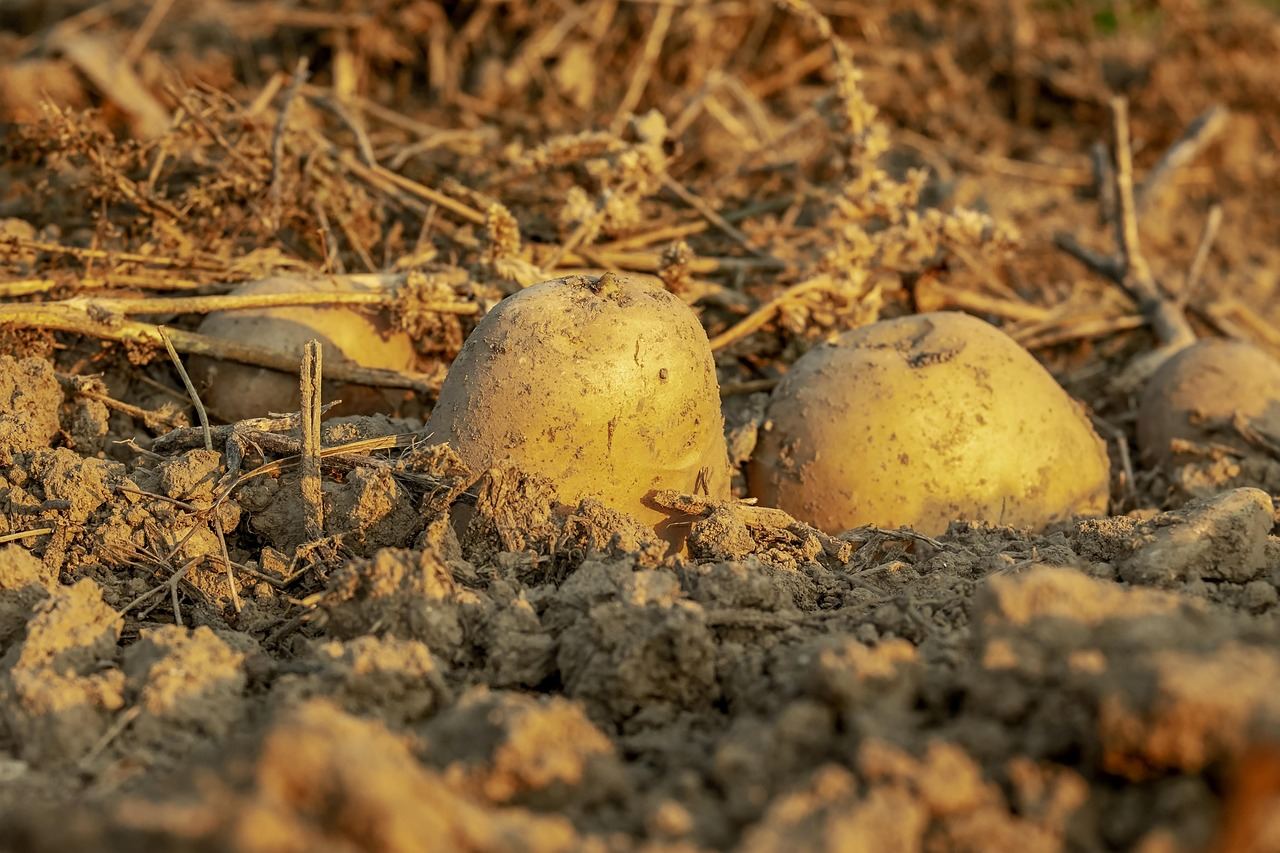
- Nightshades (Solanaceae): tomato, tomatillo, potato, pepper, eggplant, ground cherry, husk cherry
- Gourds (Cucurbitaceae): cucumber, muskmelon, pumpkin, summer squash, winter squash, watermelon
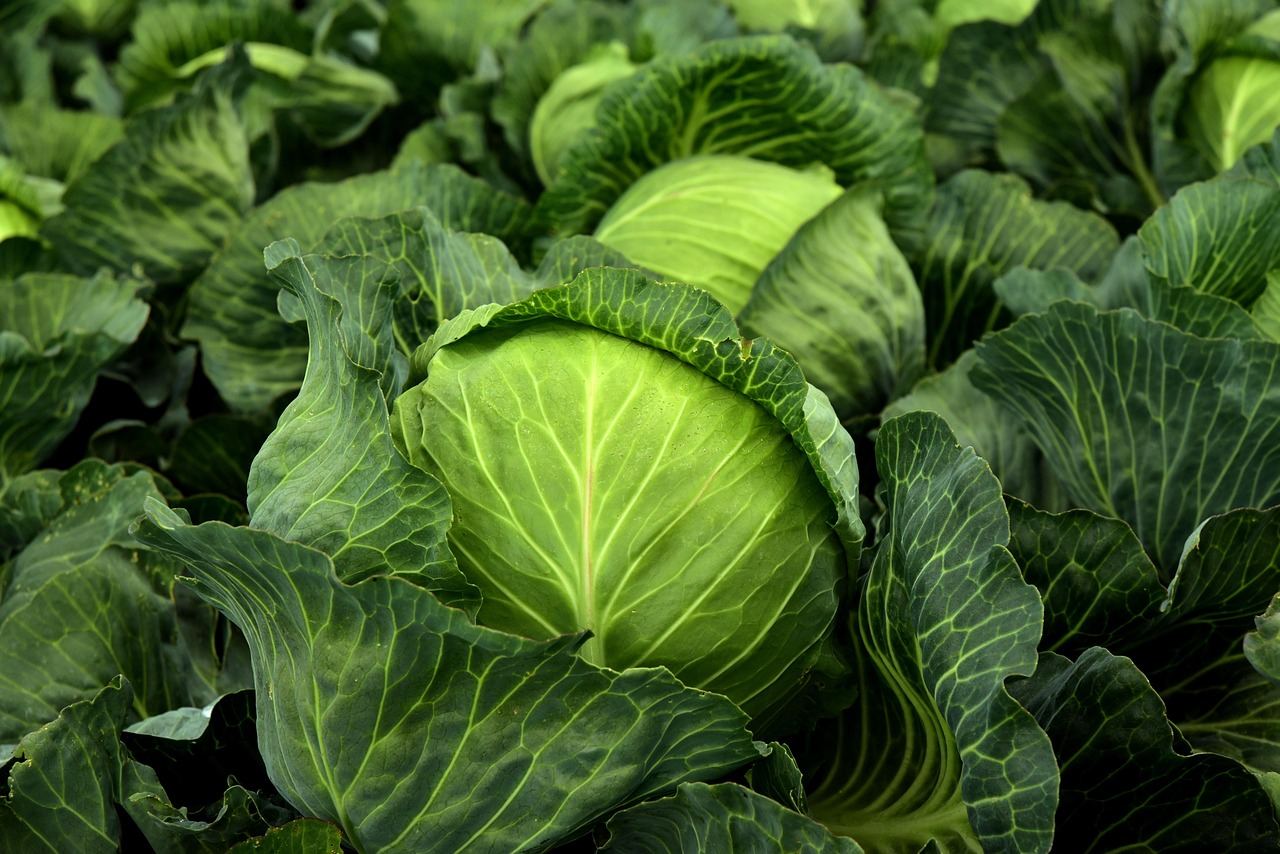
- Cabbage family (Brassicaceae): broccoli, Brussels sprouts, cabbage, cauliflower, kale, kohlrabi, mustard greens, radish, turnip, bok choy, rutabaga
- Beans and peas (Fabaceae): bush bean, kidney bean, lima bean, pole bean, wax bean, soybean, pea, edamame
- Onions (Amaryllidaceae): chive, garlic, leek, onion, shallot, green onion
- Carrot family (Apiaceae): carrot, celery, parsley, parsnip
- Beet family (Amaranthaceae): beet, spinach, Swiss chard
- Daisy family (Asteraceae): sunflower, lettuce, endive
The practical rule is that if tomatoes grew in a bed one year, peppers, eggplant, potatoes and tomatoes should stay out of it the next, because they are all nightshades, per WSU Extension.
Some families, such as the grass family (sweet corn), have only one or two common vegetables. Iowa State Extension suggests grouping these smaller families together or using them to fill gaps beside the larger ones.
A four-bed rotation you can copy
The easiest system is a set of beds, one for each major group. Iowa State Extension points out that with four raised beds, a given family lands in the same bed only once every four years.
Illinois Extension lists a sample four-year order that you can follow bed by bed:
- Beans and peas (Fabaceae)
- Cabbage-family crops (Brassicaceae)
- Tomatoes, peppers, eggplant and potatoes (Solanaceae)
- Squash, cucumbers and melons (Cucurbitaceae)
Start each bed at a different step in that list. Every season, every bed moves down one step, and the last step loops back to the first.
Gardens with more crops can use the second sample plan in the same Illinois Extension post, which pairs smaller families together in one bed. That way, the onion, carrot and beet families share a bed instead of each needing their own.
How do you rotate crops in a small garden?
Few home gardens have room for a textbook schedule. WSU Extension admits the full gap is hard to reach in small plots, yet shifting plant families from one year to the next still helps against pests and disease.
Illinois Extension adds that rotation can work in any garden, in the ground or in containers, whatever its size or shape. These ideas from Iowa State Extension stretch a small space:
- Build three or four raised beds, which gives a physical barrier between each area even when the beds sit close together.
- Grow especially disease-prone crops, such as heirloom tomatoes, in containers so they can leave the main plot.
- Set up pocket plots in sunny spots around the yard and move crops between them.
Beds that are tilled together can undo your effort. Iowa State notes that cultivating a divided plot all at once mixes soil between zones, which spreads whatever overwinters in the ground. Planning your vegetable garden layout with permanent bed edges avoids this problem.
Where cover crops fit in the plan
Cover crops belong to plant families too, so they count as part of the rotation. Iowa State Extension says they add a layer of complexity, and WSU Extension advises against planting the same family, whether vegetable or cover crop, more than once every three to four years.
Illinois Extension gives a few examples to sort by family:
- Crimson clover, hairy vetch and Austrian winter pea are legumes (Fabaceae) that can contribute nitrogen.
- Cereal rye, oats and annual ryegrass belong to the grass family (Poaceae).
- Oilseed radish, forage radish and forage turnips belong to the cabbage family (Brassicaceae).
If you plan to plant a cabbage-family crop in a bed, skip a radish cover crop there that season. Our guide to the best cover crops for vegetable gardens covers which ones suit which situation.
Keep a simple rotation record
A rotation only works if you remember where everything grew. Iowa State Extension suggests a garden log, a hand-drawn map, a diagram or even a photo, covering both this year’s plantings and your plans for upcoming years.
A quick sketch of each bed, labeled with the family, takes a few minutes in the fall. Pin it to the shed wall or save it on your phone so it is in hand when seed catalogs arrive.
Frequently asked questions
Does rotation have to be complicated?
Show answer
No. According to WSU Extension, a rotation can be as basic as changing where each vegetable grows every year, or as involved as adding cover crops and resting beds. Start with the simple version and add steps as you learn your garden.
Do weeds affect my rotation?
Show answer
They can. Iowa State Extension points out that many common garden weeds are relatives of vegetables and may host the same diseases and insects, so keeping weeds down supports the plan.
Is leaving a bed empty a good way to rest it?
Show answer
WSU Extension calls a bare bed less desirable than a cover crop. Ground with nothing planted is more likely to erode, drain poorly or fill with weeds that cause trouble for later vegetables.
Can neighbors help with rotation?
Show answer
Yes, if space is tight. Iowa State Extension describes swapping harvests with family and friends, with each household growing one or two families and then switching the next year.