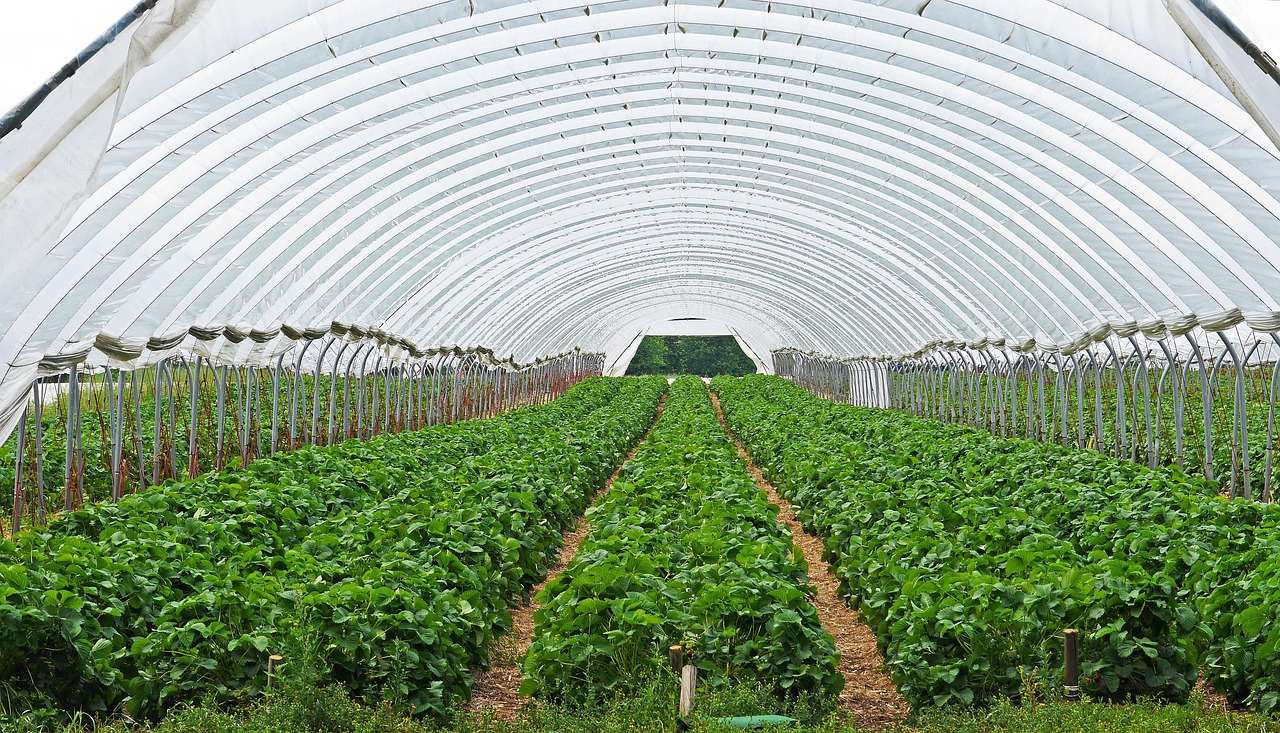
Worried about the upfront bill? How much does a high tunnel cost depends on size and site, but a basic kit runs about $3 to $6 per square foot, before delivery, installation and site work.
This guide sits inside the wider topic of small farm vegetable gardening, where a tunnel is one way to stretch the season.
| Item | Value |
|---|---|
| Basic DIY kit structure | $3 to $6 per square foot |
| Basic structure’s share of total construction cost | Around 40% |
| EQIP cost-share on installation | Often 50-75% |
| Example tomato tunnel, 2,000 square feet: construction cost | $10,000 |
| Example tomato tunnel: payback | Year 7 |
The figures come from the Rutgers Farm Management article High Tunnel Investment Decisions, dated April 10, 2026. Prices, programs and payment rates change, so check the source before you rely on them.
What a high tunnel bill is made of
Costs fall into three categories, according to the Rutgers article:
- Materials, meaning the frame, plastic and end walls.
- Labor for installation.
- Site preparation, such as grading and drainage.
Two tunnels of the same size and materials can differ substantially in cost if one site needs extra grading, drainage or other preparation. A level, well-drained site is the cheapest kind to build on.
Estimates from the University of Florida, as reported by Rutgers, put the basic structure at around 40% of total construction costs. Installation and extra features make up the rest, so a kit price alone understates what you will spend.
Kit prices and common upgrades
The Rutgers author gathered prices from ten companies selling DIY kits, focusing on the basic structure with manual side roll-ups and sliding-door end walls. Delivery and installation were left out. Basic structures typically ranged from $3 to $6 per square foot.
Upgrades push that number up. The article names these:
- Extra trusses for a stronger frame.
- Automated ventilation and fans.
- Heaters and thermostats.
- Longer-lasting plastic coverings.
Many of these features can be added later as needed, so a manual-ventilation starter tunnel is a reasonable way to keep the first outlay down.
Can cost-share cover part of the cost?
Possibly. Through its High Tunnel System Initiative, the USDA’s EQIP program typically covers a portion of the installation cost, often in the range of 50-75%, as of the Rutgers article dated April 10, 2026. Payments vary with tunnel size and local payment rates.
Eligibility generally includes:
- Owning or leasing the land.
- Having control of the site for the lifespan of the structure.
- Completing a conservation plan with NRCS.
In New Jersey, most contracts were under $10,000 before 2021, and the average reached approximately $30,000 by 2023. Those are New Jersey figures, so ask your local NRCS office what your state pays.
Where the extra income comes from
A tunnel earns its keep by moving harvests earlier or later. Rutgers analyzed weekly prices at the New York and Philadelphia terminal markets (2022-2025 averages) and found premium prices for tomatoes and bell peppers supplied early or late in the season.
For New Jersey tomatoes, peak prices in July were around $30 per 25-lb box. They fell to about $15 by mid-August and climbed to roughly $22 after late September. Bell peppers followed a similar pattern, with prices of $15-$20 from August through October, and the swings added up to consistent $10-15 per unit premiums.
These are wholesale terminal prices in the Northeast. Your own market, whether a farm stand or a restaurant buyer, may reward early and late produce differently.
Running costs and risks beyond the build
The Rutgers article warns that the spending does not stop at construction. It lists ongoing management, ventilation, and the possibility of increased pest or disease pressure.
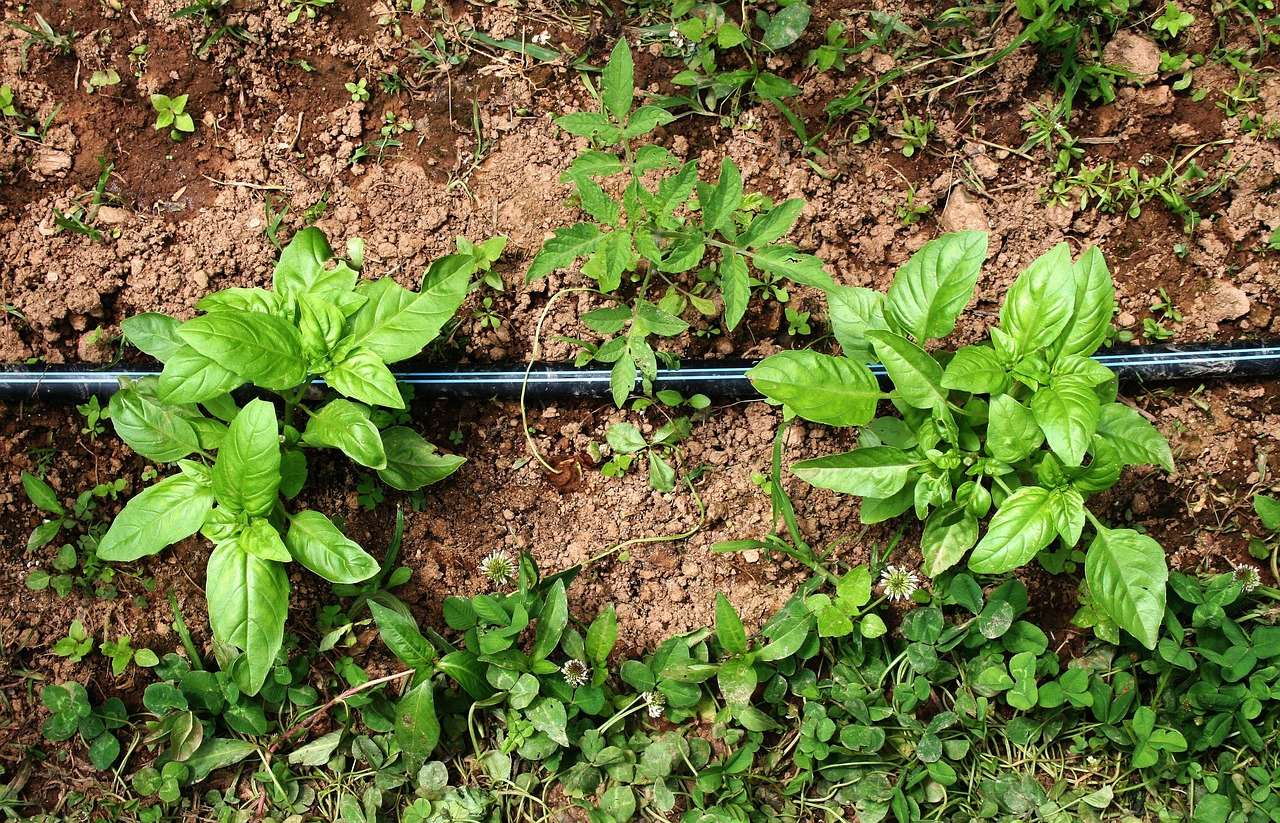
Two habits help. Rain no longer reaches the beds, so a plan for drip irrigation for vegetable garden layouts is worth making before you plant. Crowded plantings also invite trouble, which is where a companion planting guide can help you decide what shares a bed.
Does a high tunnel pay off? A worked example
Rutgers suggests three estimates: total construction cost, annual crop revenue and annual production costs. From those you can calculate the net present value (NPV), which is the value of future net returns in today’s dollars. When NPV is greater than zero, the investment is expected to be profitable.
The example budget grows tomatoes in a 2,000 square feet tunnel:
- Revenue of $2,000 from 2,000 lb of tomatoes at $1 per lb.
- Production costs of $175.
- Construction costs of $10,000.
That scenario yields an NPV of $2,818 and reaches payback in year 7, per the Rutgers example. It prices tomatoes at a flat rate, so early or late sales at a premium would change the picture. Run your own costs and prices before you commit.
Frequently asked questions
What is the cheapest way to start with a high tunnel?
Show answer
Choose a basic kit with manual roll-up sides and sliding end doors. Fans, heaters and better plastic can be bolted on once the first season shows you what the tunnel needs.
Will cost-share pay for the whole tunnel?
Show answer
No. EQIP pays a share of installation, not the full bill, and you still have to meet the NRCS eligibility rules.
How can I tell whether a tunnel will pay for itself?
Show answer
Estimate what it costs to build, what the crop will earn each year and what it costs to grow. Then work out NPV and payback time with a simple investment calculator, and test cautious assumptions as well as hopeful ones.
Why do early and late crops matter so much?
Show answer
Prices at the terminal markets Rutgers studied dip when field-grown supply is heavy and recover at the edges of the season. A tunnel lets you sell into those higher-priced windows.