Worried a CSA will eat your weekends or underpay you? Here is how to start a CSA: budget the true costs, divide by your share count, and collect payment up front.
A CSA is one marketing path within the wider plan for how to start a small farm, so check that guide if you are still choosing land and crops.
| Item | Value |
|---|---|
| Typical full share, annual cost | $400-$700 per year |
| Weekly value when selling at market price | $15-$20 a week |
| Average Utah share price (CSA Utah, 2016) | $300 to $600 |
| Share price if a $65,000 budget serves 100 members | $650 per share |
| First CSA in the U.S. | Massachusetts, 1984 |
| CSAs in the United States | Over 2,500 |
These figures come from NC State Extension’s CSA guide and Utah State University Extension’s pricing page. Prices and counts can change, so check the sources before you rely on them.
What a CSA is and who can start one
A CSA (community supported agriculture) is a production and marketing model in which consumers buy shares of a farm’s harvest in advance. Members pay an agreed amount at the start of the growing season, either in one lump sum or in installments, according to NC State Extension.
That upfront payment helps buy seed and other inputs and gives you immediate income to begin the season. Members share the risk of production, and you spend far less time on marketing.
Anyone can be the spark. NC State describes these starting points:
- Producer-initiated: the farmer starts it, which is the majority of CSAs.
- Member-initiated: a group of consumers finds a local farmer to grow their food.
- Multiple-producer: several farmers band together to offer a wider variety of products.
- Organization-initiated: a business, church or school provides an existing community that forms the CSA.
The model has a track record. The first CSA in the U.S. was created in Massachusetts in 1984, and the guide, updated February 21, 2026, counts over 2,500 CSAs in the United States, per NC State Extension.
Build your budget before you set a price
A budget starts with gathering your costs, the income you want and the profit you need, according to Utah State University Extension. Add up your expenses to get the gross cost, then work out what share prices cover it.
NC State groups the costs you should count:
- Capital expenses: land, equipment, structures, tools and irrigation.
- Labor expenses: farmer and worker salary and benefits, FICA and workers’ comp.
- Operating expenses: seeds, plants, water, taxes, fuel, soil amendments and supplies.
- Marketing costs: money for advertising and events, per the USU page.
Fixed costs do not change when output changes, while variable costs such as labor and seed do. Both belong in the budget, as USU Extension explains.
Pay yourself. USU notes that a reasonable salary compensates for your value as the grower, and that many growers underestimate their own worth when building a budget.
Equipment is a capital expense, so check the best compact tractor for small farm before you add a purchase to your budget.
Three ways to set your share price
Once the budget exists, you can price shares in several ways. The right one depends on how much data you have and how your community buys food, and NC State Extension lists four methods you can mix and compare.
- Sell at market price. Most farmers use this method. You charge a set amount, usually $15-$20 a week, and fill the share with produce that would cost that much elsewhere, often judged by farmers’ market prices.
- Approximate market value. Estimate what a family spends on vegetables for the season and use that as the share price. If members spend about $600 for 9 months of vegetables and your goal is to earn $24,000, you need to sell 40 shares.
- Calculate costs. Decide how many shares your land can produce, total every cost of raising them, and divide the budget by the number of shares.
- Established community farm model. You and your members set the budget together. A $65,000 farm budget spread over 100 current or potential members gives a share price of $650.
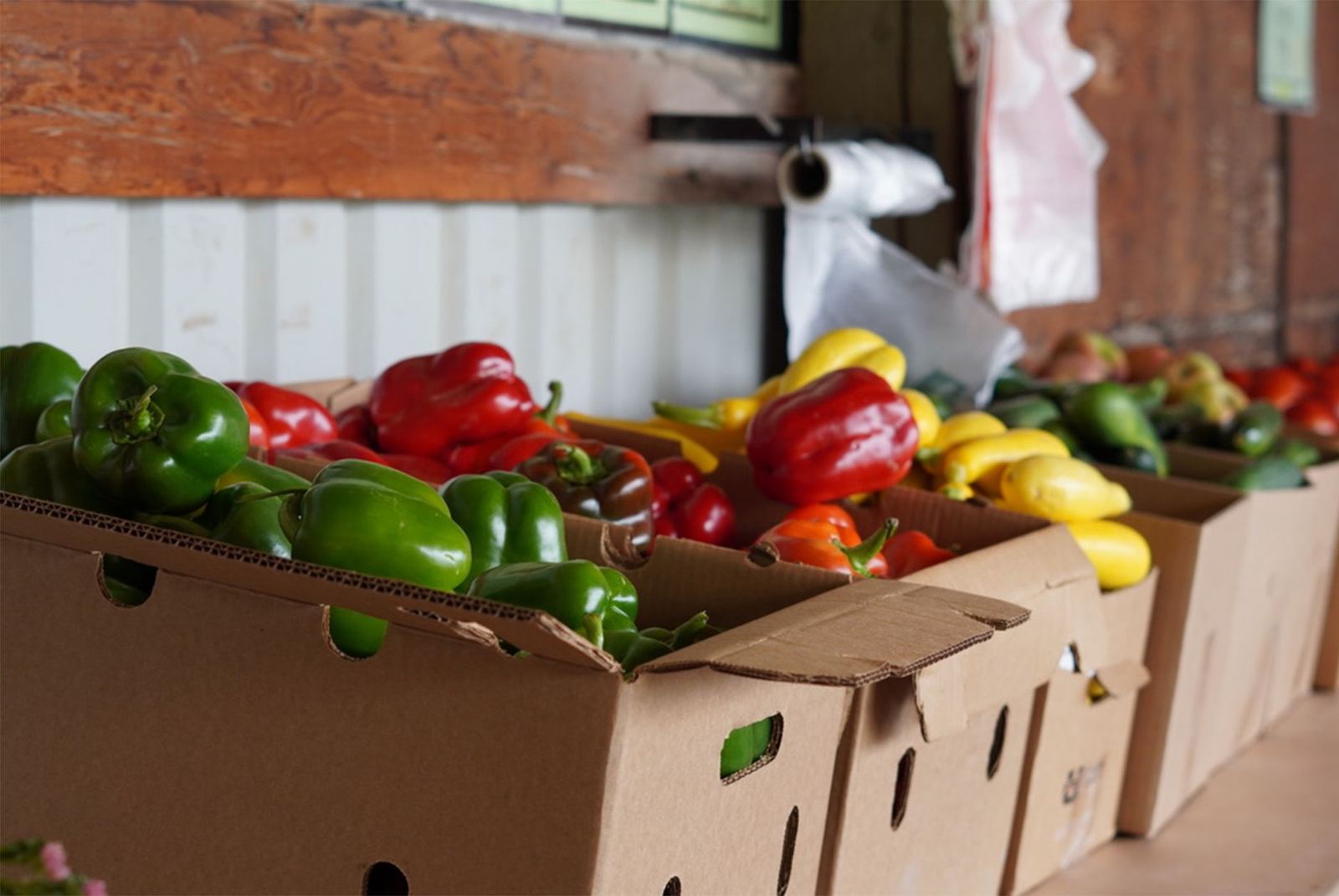
Look at your neighbors too. USU describes competition-based pricing, which studies what other CSAs charge, and customer-based pricing, which asks what shoppers will pay. CSA Utah reported average share prices in Utah ranging from $300 to $600 in 2016, according to USU Extension.
One Central Utah owner told USU researchers that about $30 a week is what the market will bear. Farmers’ market prices are a common yardstick, so our guide on how to sell at a farmers market helps you check yours.
Do not underprice. NC State says the biggest contributing factor to CSA burnout and failure is setting the share price too low, and a waiting list is a sign that people will pay more.
Full shares, half shares and payment policy
Most CSAs offer full shares and half shares. Half shares usually cost more than half the price of a full share, and you should decide the length of the season before you set any price, per NC State Extension.
A simple split works well. The Central Utah owner quoted by USU delivers a full share every week and a half share on alternating weeks.
Next, write a payment policy. USU says it should set the amount, method and deadlines of payments, and it can live inside a membership agreement form.
- Many CSAs require payment by the beginning of the season to cover planting costs.
- A discount can reward members who pay early, and the price can rise after a set date.
- You can require an initial deposit, then collect further installments through the season.
- The policy should say whether you accept cash, credit or checks.
Watch member feedback after the first season. If people complain about too much food or many of them split shares, your share size is probably too big, according to NC State Extension.
Find members and form a core group
Start with the people you know best: friends, family, neighbors and colleagues. Existing communities such as environmental groups, businesses, churches, health food stores, fitness centers and schools are also good places to recruit, and their meetings and newsletters can spread the word.
Then build a core group of you plus several consumer members. NC State says it broadens ownership, spreads the workload and lowers the chance of farmer burnout.
The core group generally does not make farm-based decisions, which stay with you. It can handle jobs like these:
- Crop selection input
- Helping determine share prices and payment schedules
- Organizing distribution
- Volunteer activities, newsletters and special events
Frequently asked questions
How much should a CSA share cost?
Show answer
Check what nearby CSAs charge before you decide. NC State puts a typical full share between $400-$700 per year, and the number moves with season length and the variety and quantity you provide (source).
Do members have to pay everything at once?
Show answer
No. You can offer several payment options and let each shareholder choose, or post a single option on your website if you prefer one deadline, as USU describes (source).
Does a CSA have to sell only vegetables?
Show answer
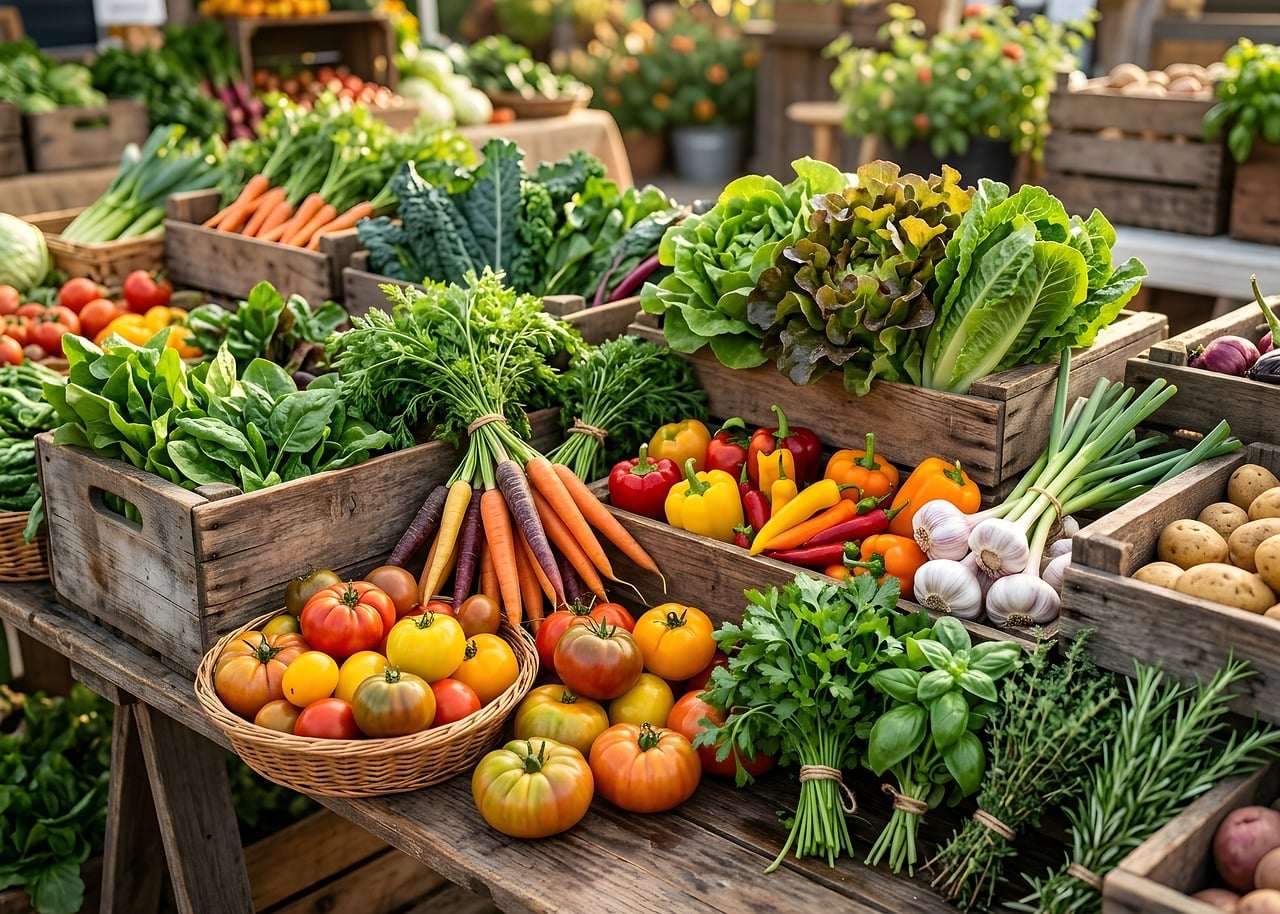
No. Members usually get freshly picked vegetables every week, but some CSAs add fruit, herbs, meat, eggs, dairy or cut flowers, and many host on-farm social and educational activities (source).
How do I know how many shares to sell?
Show answer
Pick the income you want, then divide that figure by your share price. NC State calls this the approximate market value method, and it only works if you know what your farm can produce and the labor it takes (source).