Worried about picking the best livestock for small farm life? Start with chickens or rabbits if space is tight, and let your time, budget and zoning decide the rest.
This guide is part of our wider look at livestock for small farms, and it helps you narrow the field before you spend money.
| Item | Key fact |
|---|---|
| Meat chickens ready to harvest | 2 months or less |
| Egg breeds start laying | About 5 months |
| Rabbits | Can be raised in a small space |
| Hens allowed in one urban or suburban zoning example | As many as 20 hens, no roosters |
| Fencing for sheep or goats | Often the largest single investment |
These figures come from The Livestock Project at Iowa State University and NCAT’s Small-Scale Livestock Production publication. They can change, so check the source before you rely on them.
Start with your land, time and budget
Choose the animal after you size up your own situation. The Livestock Project at Iowa State advises you to be realistic about how much time, space and help you will have with new animals. It also asks you to weigh the time and cost you will put in against what you get back, personally and money-wise.
Space shapes your shortlist first. NCAT notes that poultry, rabbits and bees take little space, while grazing livestock need more area to protect soil and pasture.
Your vegetation matters too. According to the same NCAT post, woodlots are a good fit for hogs and goats, and mostly grass pastures best suit sheep and cattle.
Run through this checklist before you commit to any species:
- Land: how much fenced room and what kind of forage you have.
- Money: fence, water, shelter and equipment before the first animal arrives.
- Time: daily chores, plus who covers them when you travel.
- Feed: where you will buy and dry-store it.
- Market: who will buy the eggs, meat, milk or fiber.
Money and time come next. NCAT points out that feed costs are paid before you have any meat to sell, and it warns against taking on more than you can easily manage in the time you have available. Its getting started post is worth a read before you buy.
Chickens and ducks: an easy first step
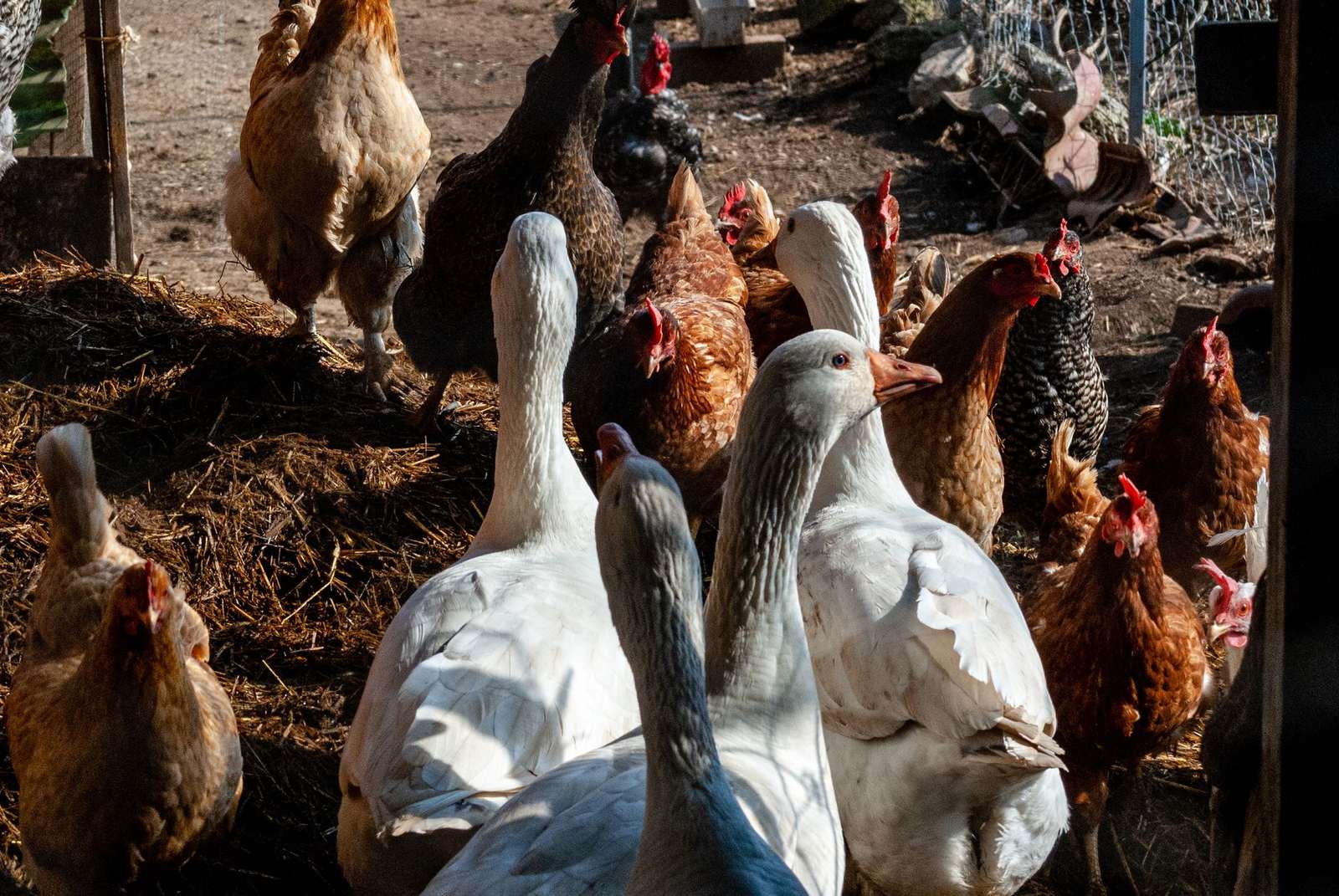
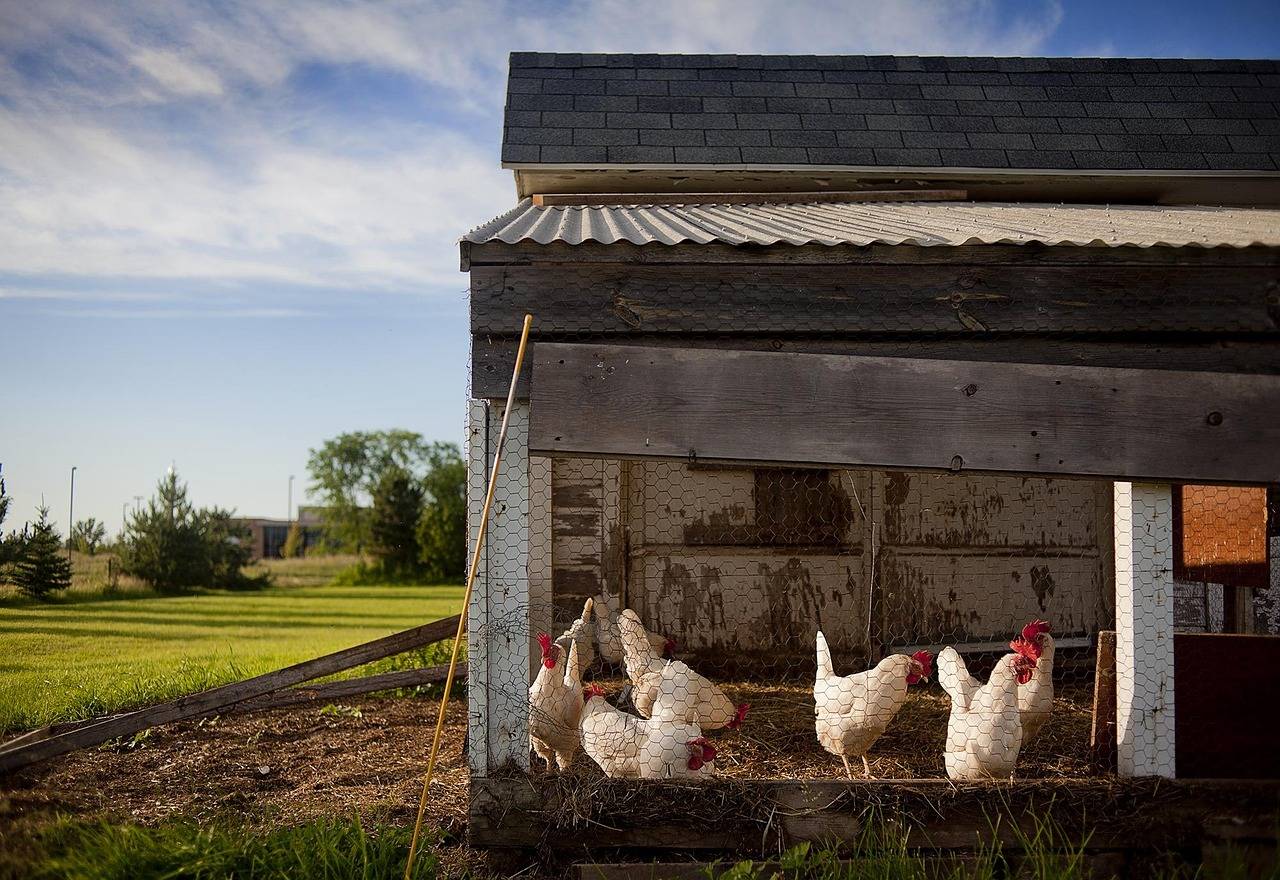
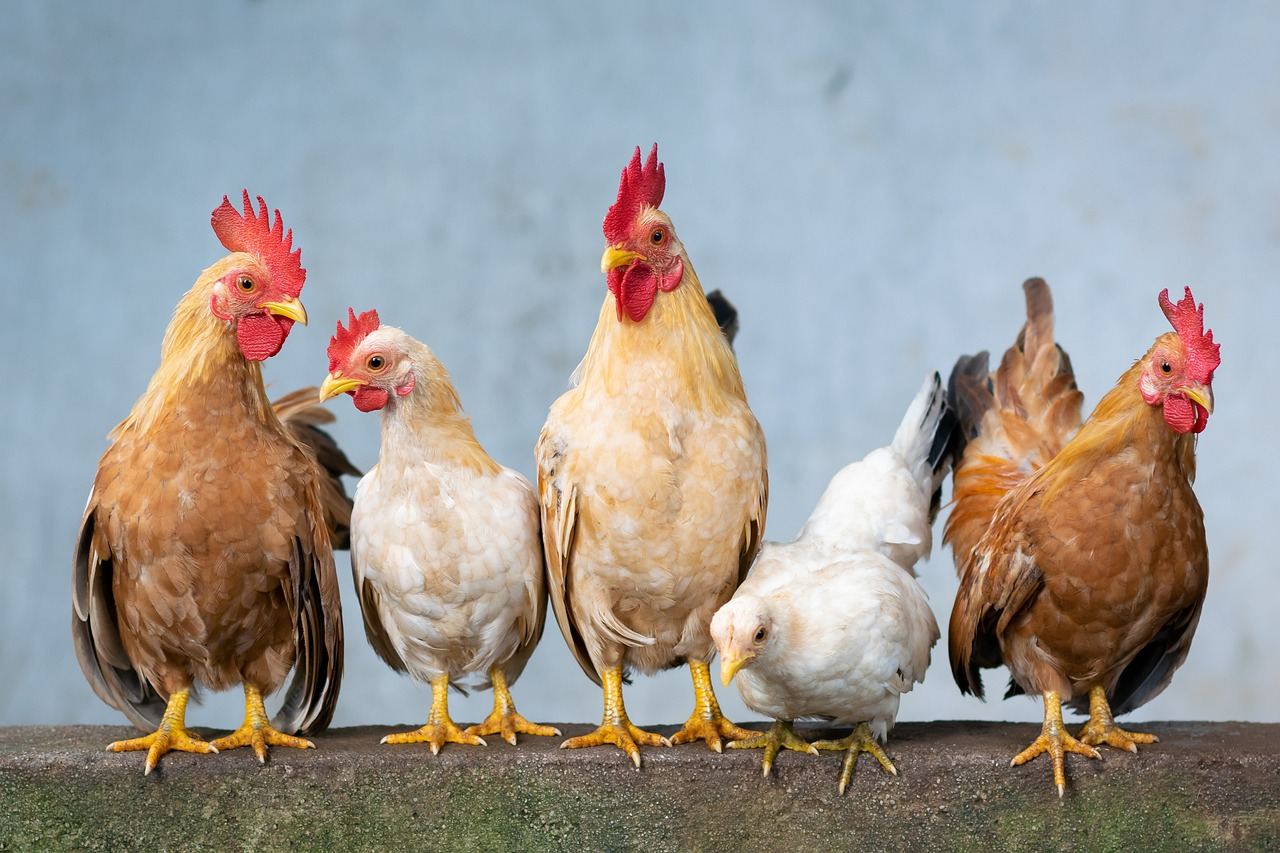
Chickens are the classic beginner animal. The Iowa State project calls them a great introduction to keeping animals, and says a small flock can keep a family in eggs or meat, as described by The Livestock Project.
Meat-type birds can be harvested at 2 months or younger, while egg breeds begin laying at about 5 months, according to the same source. The pack also says egg layers make poor eating and meat breeds lay few eggs, so you would need two different breeds for both.
Predators are the big risk. You have to provide good housing to keep the flock safe, so budget for a secure coop before the chicks arrive.
If you are new to birds, our guide on how to start raising chickens walks through the setup in more detail.
Ducks make a nice add-on if you already keep chickens. They also have different needs: more space and, very importantly, a water source such as a pond or pool, and duck keeping may be a little more time-intensive, says Iowa State.
Rabbits and bees for tight spaces
Rabbits can be raised in a small space and breed quickly. They are easy to care for, eat some table scraps, and their pellets make great garden fertilizer, according to The Livestock Project.
Some breeds also grow a very soft wool that you can harvest regularly for fiber arts. Like chickens, rabbits need good housing and protection from predators.
If rabbits appeal to you, read our guide to raising meat rabbits for beginners before you build hutches.
Honeybees offer versatile products and do not take much tending once you are set up. Beekeeping also helps pollinators and supports sustainability in your own backyard, as Iowa State’s team explains.
The catch is the learning curve. There is a lot to learn before you start, and it can be expensive to get started in bees.
Goats and sheep: more personality, more fencing
Goats are hardy, easy to care for and can work well in small spaces. They can also be escape artists, with head-butting and climbing habits that get them into trouble, and bucks have a pronounced odor once they reach puberty, per The Livestock Project.
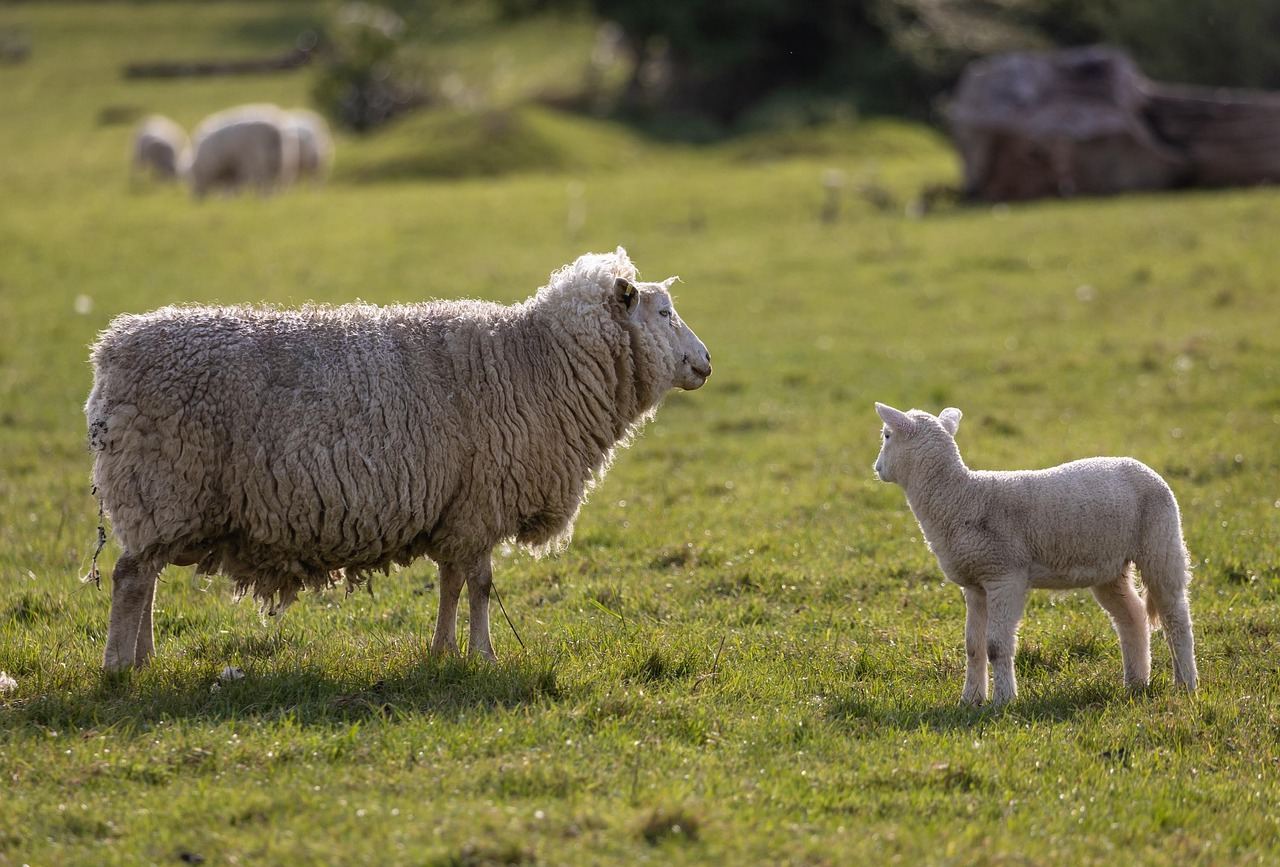
Sheep are low maintenance and versatile, and depending on the breed they can produce wool, meat and milk. Parasites are a major concern and shearing can be an added cost, the same project cautions.
Plan your fencing first. For sheep or goats it will often be the largest single investment a producer makes, according to NCAT, and good anti-predator fences should stand before the animals arrive, as Oregon State Extension advises.
Oregon State also warns against barbed wire because it can cause severe injury. Guardian animals can help against predators, and the same publication lists several options:
- Livestock guardian dogs
- Llamas and burros
- Donkeys and mules
- Horses
Each guardian species has different care and handling needs, so research your choice before you buy. Goats also prefer to browse over eating grass, so match the animal to the plants you actually have.
Check rules, vets and markets before you buy
Zoning can end a plan before it starts. In one NCAT example, an urban or suburban location might allow as many as 20 hens but no roosters, and NCAT urges you to learn about any restrictions up front.
Oregon State suggests you read local and county zoning ordinances because some prohibit livestock, and ask your state agriculture department about ownership laws, in its sheep and goat guide.
Next, find a veterinarian. Iowa State advises contacting a vet with expertise in your chosen species if you do not already have one, as The Livestock Project explains.
Finally, test the numbers. If you plan to sell products, Oregon State says to confirm there is a local market before you buy animals, and NCAT recommends investigating local conditions and plugging the numbers into a budget to see whether the enterprise makes sense.
Frequently asked questions
What is the easiest animal to start with?
Show answer
Poultry is the usual answer, because a modest coop and a few birds will get you going. Predator-proof housing is the main thing to get right, as The Livestock Project notes.
Can I keep livestock on very little land?
Show answer
Hens, rabbits and beehives fit on small plots, while grazers need pasture, according to NCAT. Check your local ordinances too, since some areas ban livestock outright.
Are goats or sheep better for a beginner?
Show answer
Both can work if your fencing is solid. Goats tend to climb and test fences, while sheep bring parasite worries and shearing costs, so choose the problems you would rather manage. Iowa State’s overview compares the two.
Should a vet see animals before I bring them home?
Show answer
Yes, that lowers your risk. Oregon State Extension recommends having a veterinarian examine the animals and run any suggested lab tests so you do not buy animals with serious diseases or other problems.