How much space do chickens need? For your flock, plan on 3-4 square feet per hen inside the coop and about 10 square feet per hen in the run, per extension guidance. Crowding invites pecking.
This guide is part of our wider look at livestock for small farms, where you can compare what different animals need.
| Item | Value |
|---|---|
| Laying hen indoor space | 3-4 square feet per hen |
| Laying hen run space | 10 square feet per hen |
| Coop space with no outdoor access | 8 to 10 square feet per bird |
| Roost length | 5 to 10 inches of pole per bird |
| Nest boxes | One box for about every four birds |
| Coop height off the ground | At least 1 foot |
These figures come from eXtension and Oregon State University Extension. Guidance can change, so check the sources before you rely on the numbers.
How much coop space does each chicken need?
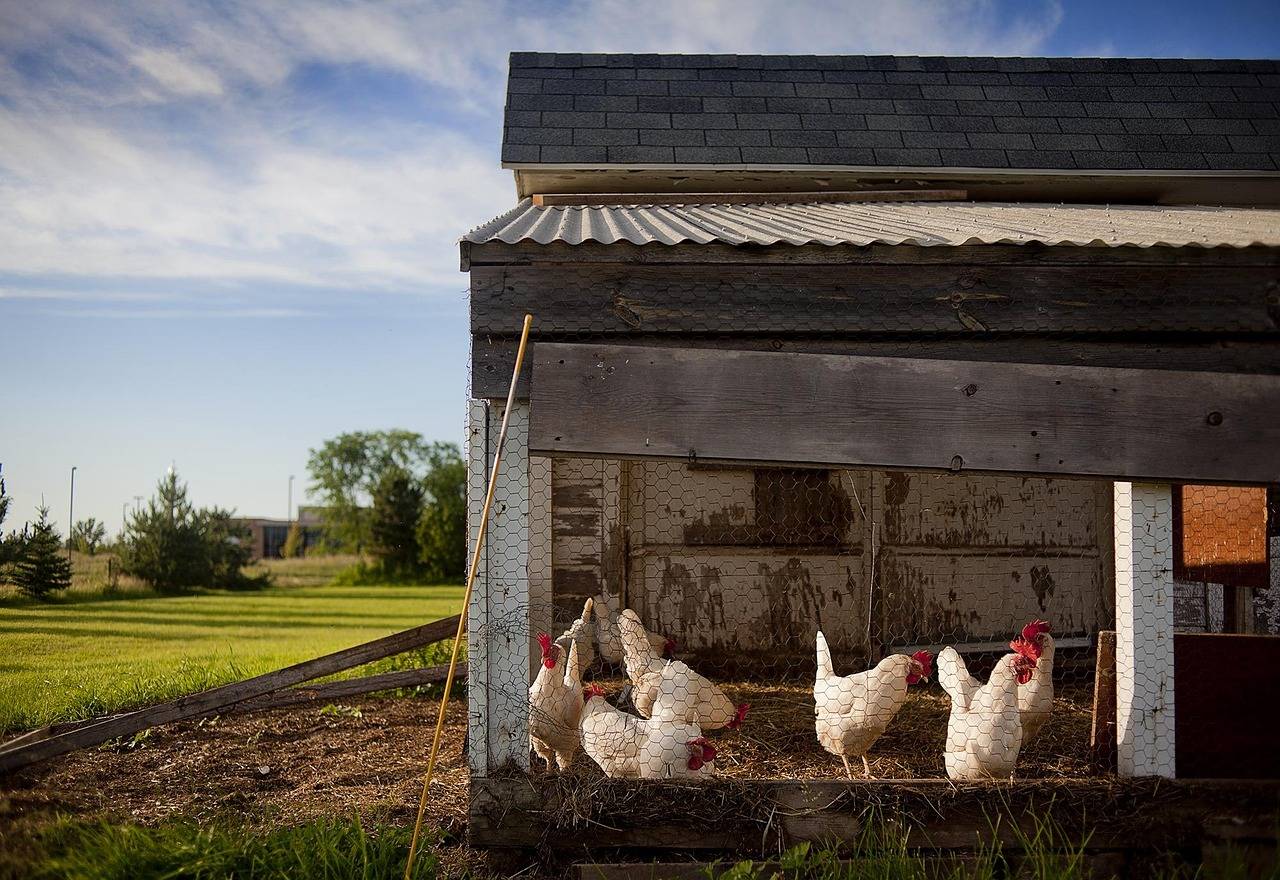
There is no single magic number. eXtension recommends a minimum of 3-4 square feet per laying hen indoors, and notes that the right amount depends on species, breed, age and whether the birds can get outside.
Oregon State University Extension’s coop design guide sorts it by run access. You need at least 3 square feet per bird when there is a run, and 8 to 10 square feet per bird when there is no outdoor access. Treat those as minimums, not targets.
The same eXtension page admits that precise allowances are difficult to prescribe because of the complexity of environmental effects. A good rule of thumb is to multiply the per-bird figure by your planned flock size, then round up.
If you are still deciding how many birds to keep, our guide on how to start raising chickens is a useful companion read.
Run size and keeping the run usable
For the outdoor run, eXtension recommends 10 square feet per laying hen. It also says that density is not practical in many urban yards.
Smaller runs are possible, but the source states that management of the run is key. A tight run will quickly lose its plants and can turn muddy in wet weather, which makes it more of an exercise yard than a pasture.
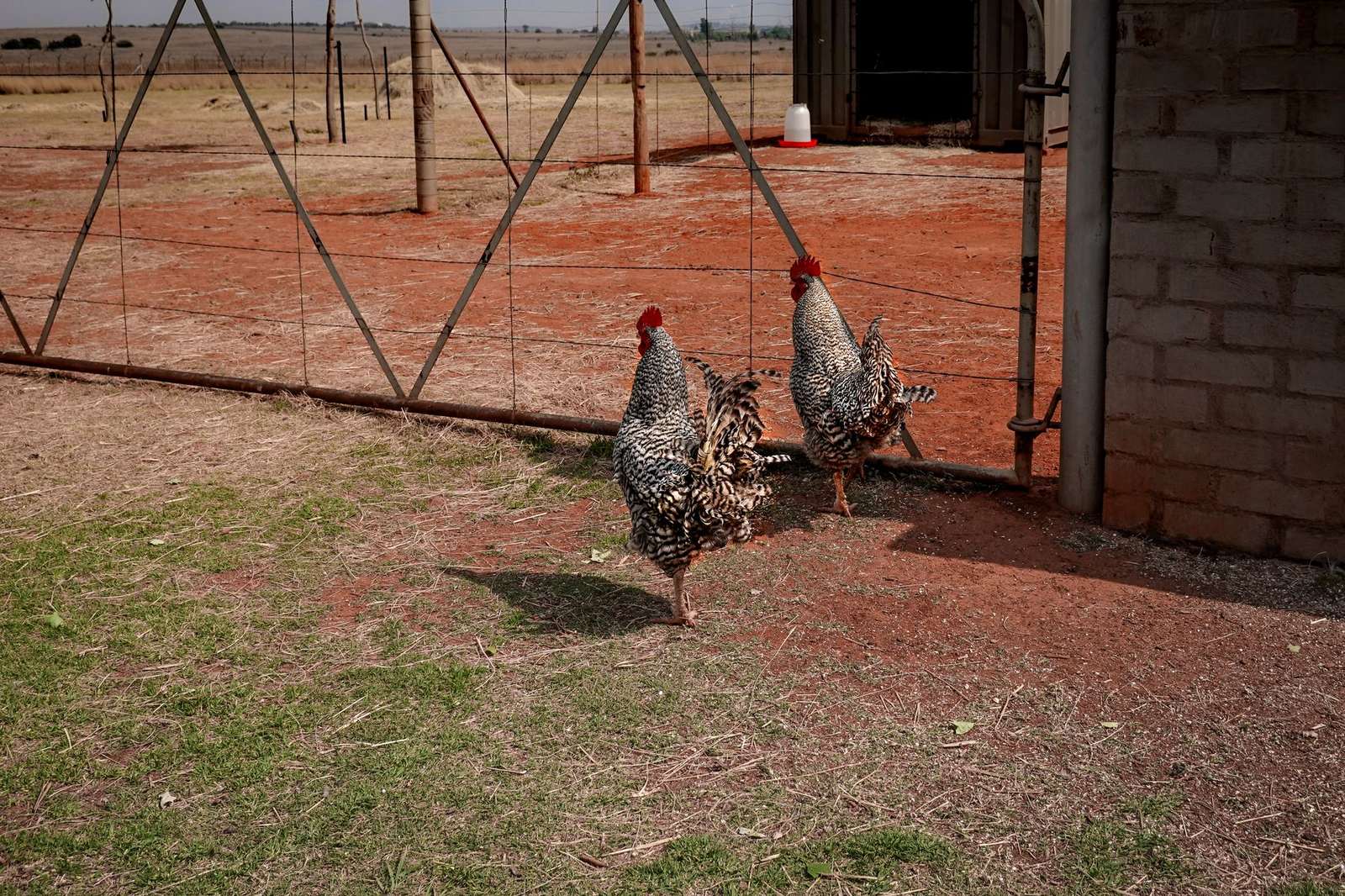
Whatever size you choose, put the run in a well-drained spot. Standing water and mud are far harder to fix after the fence is built.
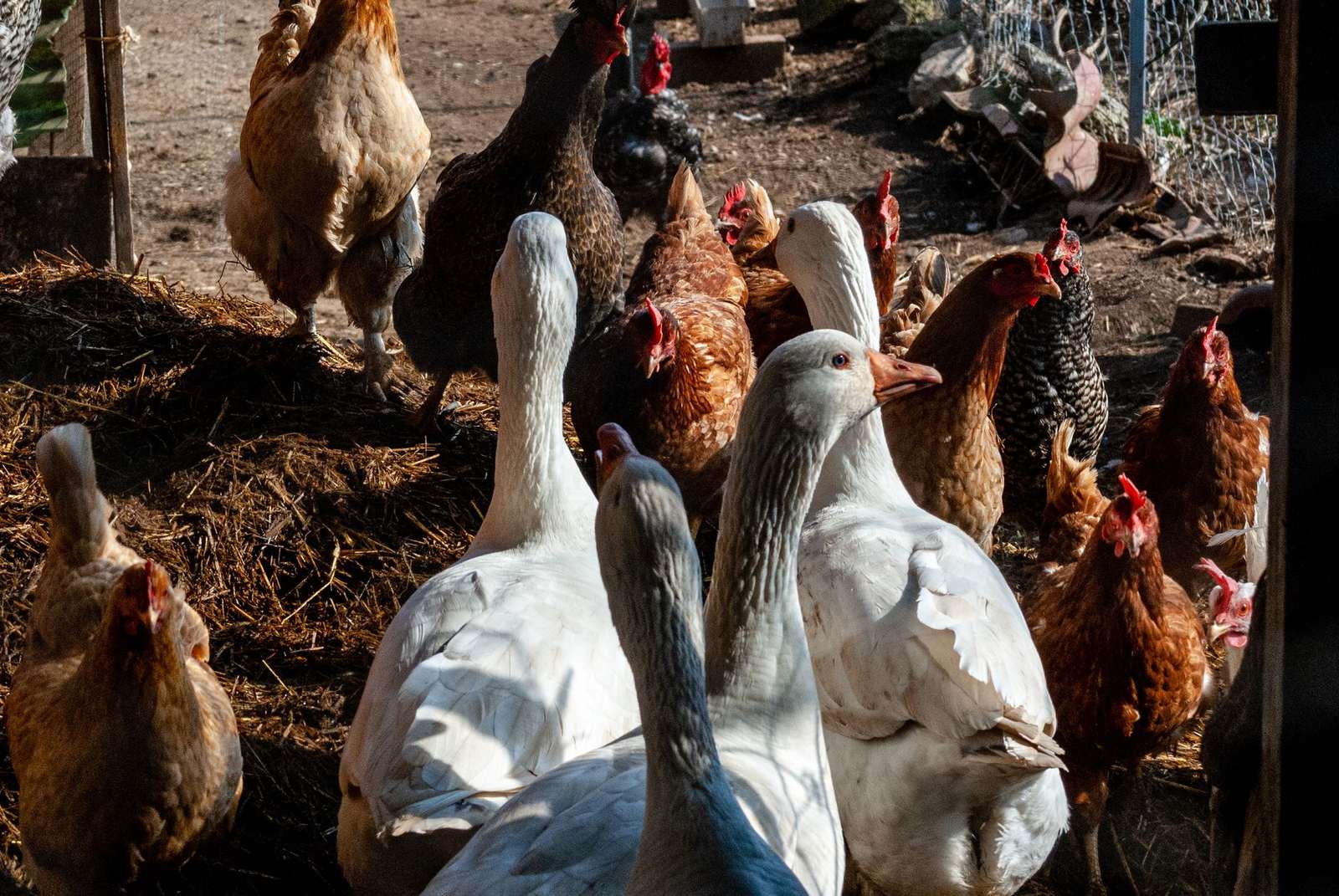
Do ducks, turkeys and meat birds need different space?
Yes. The eXtension space allowance page gives separate guidance for each type of bird:
- Meat chickens: a minimum of 3-4 square feet per chicken indoors, per eXtension. Commercial strains are less likely to use outdoor space, while slower-growing strains should get the same outdoor access as laying hens.
- Turkeys: a minimum of 6 square feet indoors and 20 square feet outdoors, because of their larger size (eXtension).
- Ducks: 5 square feet per adult duck indoors, with no specific outdoor figure but the advice that a larger run is better (eXtension).
- Geese: about three times the allowance for ducks (eXtension).
Waterfowl need extra attention because their droppings contain over 90% moisture, according to eXtension. That means more work on both the run and the indoor space.
Roosts and nest boxes take room too
Floor area is only part of the plan. Oregon State University Extension says to allow 5 to 10 inches of roost pole per bird.
The same guide suggests setting poles 2 feet off the floor with 10 inches between each pole. Make them from square lumber with the top edges rounded off, since poles that are too small or too round may cause foot problems.
For laying, build one nest box for about every four birds. Each box should be about 12 inches deep by 12 inches wide by 12 inches tall, per Oregon State.
Keep the boxes off the ground and not lower than the roosts, which helps keep them cleaner. A sloped roof on the boxes stops birds from roosting on top.
Safety and airflow inside the space you build
A bigger coop is not automatically a better one. Oregon State University Extension lists several protections that should go with your space plan:
- Raise the coop at least 1 foot off the ground to discourage rats, snakes, raccoons and skunks (Oregon State).
- Enclose the run in 1- by 2-inch mesh fencing and add netting or wire over the top (Oregon State).
- Bury fencing 6 inches to 1 foot into the ground to stop diggers such as coyotes, foxes, rodents and dogs (Oregon State).
Ventilation matters as much as floor area. The same guide says passive ventilation is adequate for most backyard coops, and that coops do not need insulation as long as there are no drafts (Oregon State).
If you are weighing chickens against other animals for a small property, our guide to raising goats for beginners shows a very different set of housing needs.
Frequently asked questions
What happens if my coop is too small?
Show answer
Cramped birds can turn on each other. eXtension lists pecking and cannibalism as problems that may result when each bird lacks adequate room, so add space or trim the flock before trouble starts.
Are these space numbers backed by research?
Show answer
Only loosely. According to eXtension, there is very little peer-reviewed research on backyard poultry, and most published requirements were developed for commercial production systems.
Can chickens live in the coop all the time?
Show answer
They can, but the floor has to be larger. The Oregon State University Extension figure for birds that never go outside is 8 to 10 square feet each, so a coop sized for run access would be too tight.
Does winter weather change how much room I need?
Show answer
It can. If your climate rules out year-round use of the run, eXtension says the interior space requirement goes up, while also advising a coop small enough to avoid being too cold and drafty in winter.