Planning a flock and wondering how many sheep per acre your land can carry? Start with about two sheep per acre, counting ewes and their lambs, then adjust after a year of watching your pasture.
This guide is part of our wider look at livestock for small farms, which compares what each species asks of your land.
| Item | Value |
|---|---|
| Suggested starting stocking rate | Two sheep per acre, perhaps a little less |
| Example lambing percentage | 150 % (1.5 lambs per ewe) |
| Residual left after grazing | About four inches |
| Animal unit equivalent, mature sheep with lamb | 0.20 AUE |
| Animal unit equivalent, dry sheep | 0.15 AUE |
These figures come from Cornell Small Farms and NDSU Extension. Figures can change, so check the source before you rely on them.
Start at two sheep per acre
Sheep farmer Ulf Kintzel of White Clover Sheep Farm writes for Cornell Small Farms that the question is the hardest one to answer, because it depends on so many factors. Even so, he gives beginners a starting point: two sheep per acre, perhaps a little less, but definitely not more, as his Cornell article explains.
A first year on that number tells you a lot. If the grass kept up, you can keep more ewe lambs than you need for replacements, or buy more breeding stock.
Moving up from a cautious number is workable. Moving down after you have overshot is the costly direction.
What does a “sheep per acre” figure include?
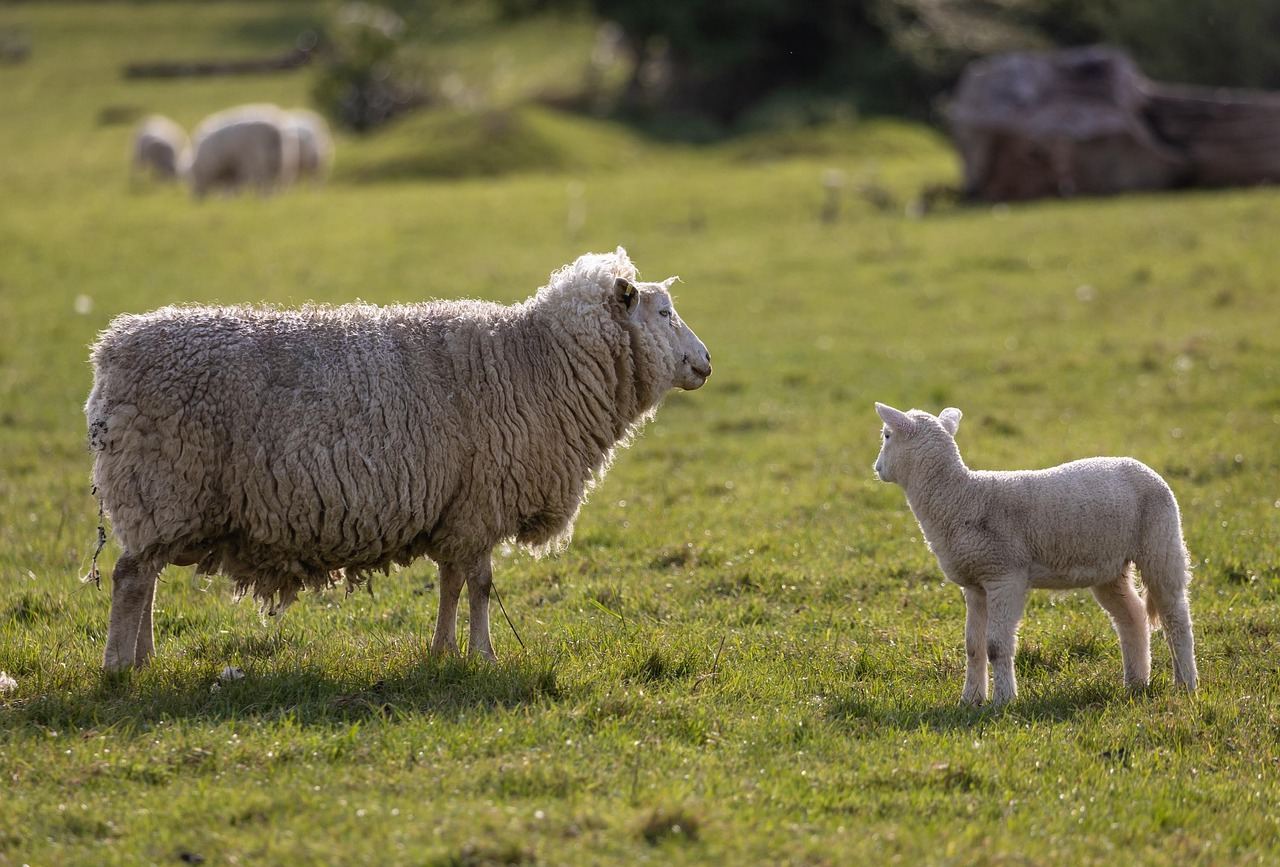
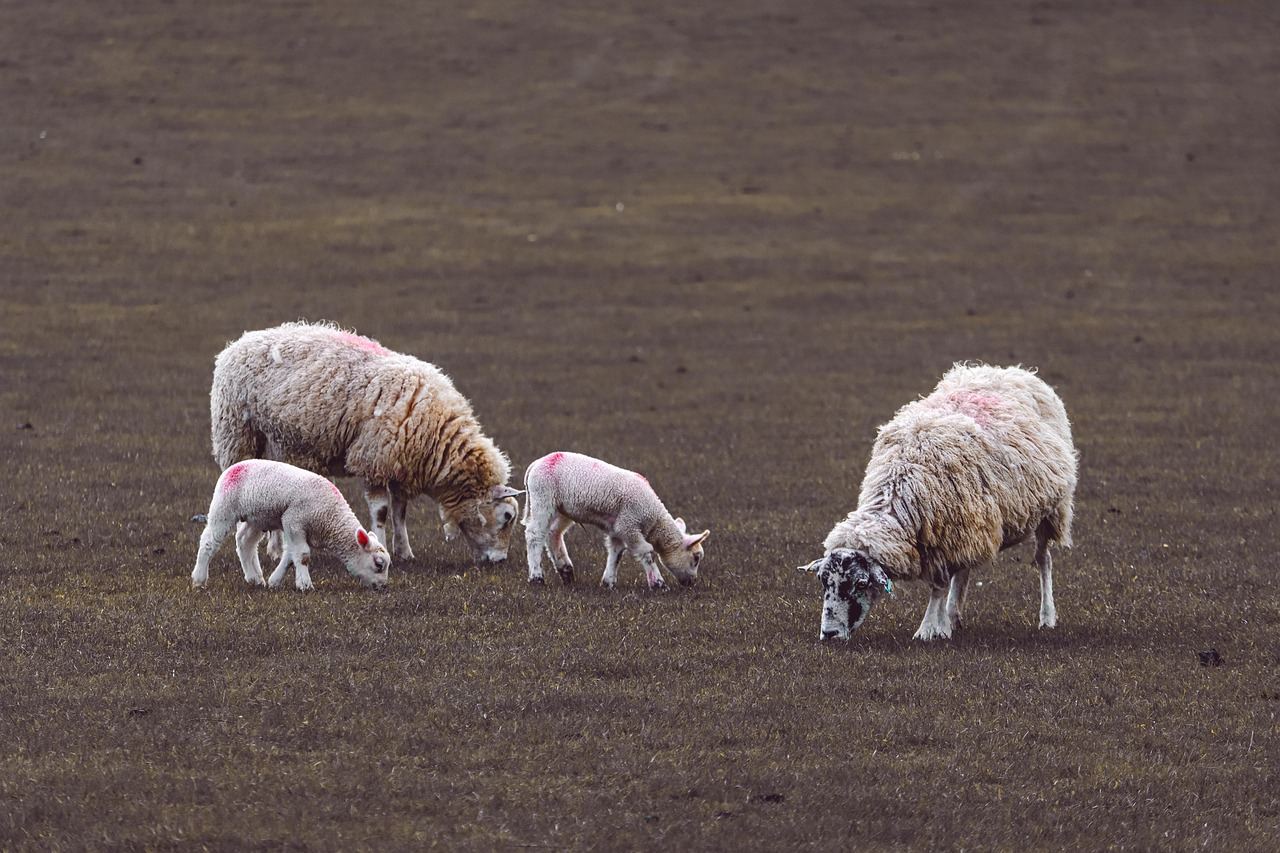
The figure always speaks about the ewes, yet it quietly covers their lambs too. Kintzel’s example uses a 150 % lambing percentage, or 1.5 lambs per ewe each year, so two sheep per acre means two ewes and three lambs sharing that acre, according to Cornell Small Farms.
That detail matters when you read stocking advice elsewhere. Some sources count only adult animals on a given day, others count a whole year of animals, so always check which one is meant before comparing numbers.
What changes your carrying capacity
Carrying capacity is how much forage your ground produces in an average year, and it moves from season to season. NDSU Extension defines it as the maximum stocking rate consistent with maintaining or improving the forage and related resources.
Several things push your number up or down:
- Soil: fertility, drainage, water holding, organic matter and pH all affect production, and eroded or depleted soil produces less.
- Climate: a long winter with heavy snow followed by a short growing season lowers capacity, while a very long season raises it.
- Weather: drought, too much rain and summer heat all slow growth.
- Winter feed: buying all your winter feed supports more sheep than making your own hay or baleage.
- Fertilizer: manure or commercial fertilizer raises capacity.
- Grazing and pasture management: rest periods, rotation and weed control all help.
Cornell lists each of these in its carrying capacity article. Your own farm will weigh them differently from a neighbor’s.
Doing the forage math with animal units
Extension services compare different animals with the animal unit. Manitoba Agriculture defines one as a 1,000 lb. beef cow, and says one animal unit month equals 780 lbs of dry matter forage intake.
Sheep count as a fraction of that cow. In the NDSU table, a dry sheep is 0.15 AUE, a mature sheep with a lamb is 0.20 AUE, and a ram is 0.25 AUE.
The same table lists a mature goat at 0.15 AUE. Our guide to raising goats for beginners covers how goats compare once you move past the numbers.
NDSU says a stocking rate comes from three pieces:
- Forage demand: what the kind and class of animals will eat.
- Available forage: how much grows and how much animals can actually use.
- Duration: how long the animals stay on the area.
Usable forage is less than total growth. NDSU describes a “take half, leave half” idea in its harvest efficiency discussion, which allows for trampling, waste and plants that keep growing.
Animal size changes the result, not the land. Manitoba Agriculture notes that heavier or lighter animals leave capacity unchanged but alter how many animals fit.
Grazing habits that stretch each acre
Rotating paddocks is the biggest lever you control. Cornell says rotational grazing allows a higher carrying capacity than set stocking, and moving sheep ideally once a day lets even more graze per acre.
Other habits that help:
- Leave about four inches of residual after grazing, so plants recover quickly.
- Bushhog seed stems and weeds before they set seed.
- Stockpile pasture for late fall if you want lower costs, accepting that it trims capacity.
- Test water and deliver it close to every paddock.
- Build fencing that holds sheep in and keeps coyotes or wolves out.
The Government of Saskatchewan says sheep drink eight to 12 litres of water per day. It also recommends temporary fencing for flexible paddock sizes.
Why starting low beats starting high
Overstocking sets off a chain of trouble. According to Cornell, you run short of pasture, then you either sacrifice pasture management and slide into a downward cycle, or buy costly stored feed, or even sell animals when prices are poor.
More sheep per acre also raises your input per sheep, so profit per lamb can shrink even if total profit rises. Kintzel’s advice is not to plan around ideal circumstances and to leave breathing room, since weather has a long record of disrupting plans.
NDSU adds that checking how much forage was used during and after the season tells you whether your estimate was right. Keep notes each year and adjust, and see raising pigs on a small farm if you are also weighing a species that does not lean on pasture the same way.
Frequently asked questions
Is two sheep per acre too many for poor pasture?
Show answer
It can be. On thin soil or in a short growing season, shade your number lower, since Cornell Small Farms advises against starting any higher than two.
Do lambs count toward the number?
Show answer
Yes, the total is meant to cover the ewes plus the offspring they raise that year. A flock that looks modest in spring will feel crowded once the lambs are grazing.
How can I tell I have overstocked?
Show answer
Watch for pasture running short, grass grazed down below its residual, and a growing need for stored feed. NDSU Extension recommends monitoring forage use so you can correct your stocking rate.
Does moving the flock more often let me keep more sheep?
Show answer
Generally yes. Frequent paddock moves give grass time to rest, and Cornell ties more frequent rotation to more sheep per acre, with a daily move as the ideal.