Worried that rotational grazing for small farms means endless fence-moving and a lot of land? It doesn’t have to. Split one pasture into paddocks, graze each one briefly, and rest it until the grass has fully regrown.
This guide sits within our wider look at livestock for small farms, so read it alongside the species guides when you plan your herd.
| Item | Value |
|---|---|
| Average rest before a paddock is regrazed | 30 days |
| Regrowth height to aim for before regrazing | At least 8 inches tall |
| Move animals before grass is grazed shorter than (cool-season grasses) | 4 inches |
| Starting stocking rate on moderately productive Virginia soils | No more than 400 lbs. liveweight per acre |
| Paddocks in Manitoba’s worked example | 7 paddocks |
| Water placement that limits overgrazing near troughs | Within 800 ft |
These figures come from Virginia Tech Extension and Manitoba Agriculture. Recommendations can change and depend on your climate and forage, so check the sources before you rely on them.
Why rotational grazing suits small acreage
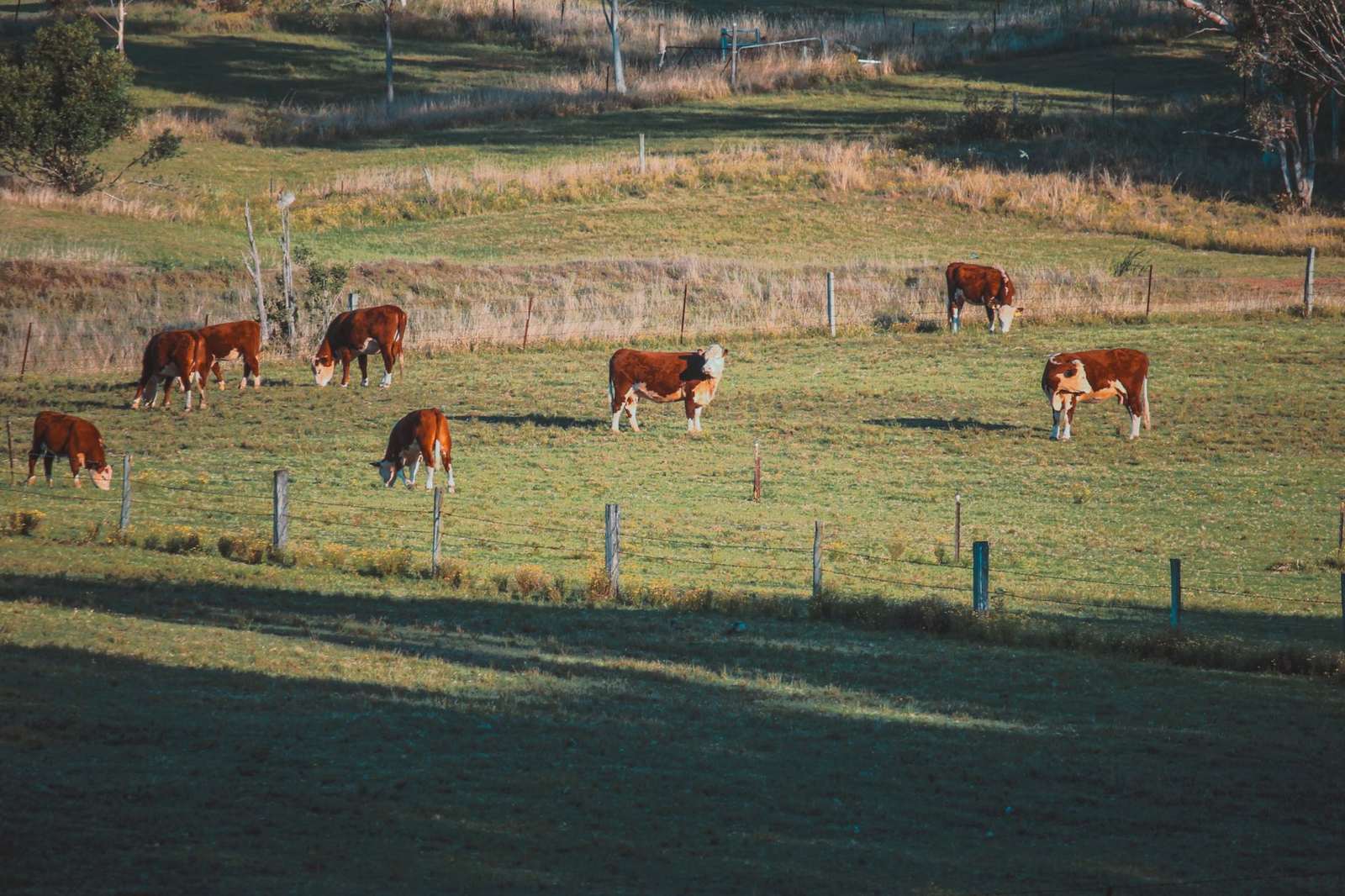
Rotational stocking means managing the timing and intensity of grazing so that desirable forage grows better and more diversely, as Virginia Tech Extension describes it. Small paddocks and short grazing periods are the tools. The animals get fresh grass, and the pasture gets time to rest.
Washington State University Extension lists what controlled grazing delivers when it is done well:
- More forage harvested by the animals
- Better forage quality
- Longer grazing seasons
- Less fertilizer and herbicide
- Lower labor and feed costs
- Fewer weeds
- Environmentally responsible grazing areas
The usual objection is labor. Virginia Tech notes that labor requirements are sometimes cited as an obstacle, which is why its publication sorts systems by how intensively you manage them. If grazing animals do not fit your plans, raising meat rabbits for beginners covers a different route.
The four rules behind every rotation
Virginia Tech Extension reduces rotational stocking on perennial cool-season pastures to four principles:
- Match stocking rate to carrying capacity. A good starting point on moderately productive soils in much of Virginia is no more than 400 lbs. liveweight per acre (Virginia Tech Extension).
- Use the highest practical stock density. Pairing it with more frequent moves improves forage use and spreads manure and urine more evenly (Virginia Tech Extension).
- Move before the grass is grazed too short. Rotate livestock before cool-season grasses are grazed shorter than an average of 4 inches (Virginia Tech Extension).
- Rest each paddock fully. The average recommended goal is 30 days and grass at least 8 inches tall, with faster recovery in spring and fall and slower in summer (Virginia Tech Extension).
Your rainfall and soil will shift these numbers, so it helps to read how many cows per acre before you buy any animals. Manitoba Agriculture gives an ideal grazing height for cattle of 4-8 inches and calls rest the foundation of grazing management.
How many paddocks do you need?
Manitoba Agriculture offers a simple formula: rest period ÷ grazing period + number of herds = paddocks needed. Its worked example reads 30-day regrowth ÷ 5-day grazing = 6 + 1 = 7 paddocks, as set out on its intensive grazing page.
Virginia Tech groups systems into three management levels, each assuming a stocking rate of about two and a half pasture acres per 1,000 lbs. of animal:
- Low: six to eight permanent paddocks per animal group, rotated every five to seven days, with each paddock limited to less than 30 days’ rest (Virginia Tech Extension).
- Medium: nine to 15 permanent paddocks per animal group, rotated every three to five days, with 30 days or more of rest (Virginia Tech Extension).
- High: more than 15 paddocks per animal group, rotated every one to three days, again with 30 days or more of rest (Virginia Tech Extension).
On a small farm, temporary interior fencing lets you add or resize paddocks as the season changes. Washington State University Extension describes interior paddocks as being created with temporary fences.
Fencing, water and layout
Good infrastructure is what makes frequent moves quick. Virginia Tech Extension says consistent managed grazing needs fencing and watering infrastructure for multiple paddocks, plus labor to move livestock.
- Start area: choose ground that is uniform in soil, forage and terrain, and map your fields, fences and water sources first (Washington State University Extension, Manitoba Agriculture).
- Fences: build a strong permanent perimeter, then move portable interior fences as the cattle need to move (Washington State University Extension).
- Paddock shape: square paddocks are preferred for cattle, while long, narrow ones lead to overgrazing near water and undergrazing at the far end (Manitoba Agriculture).
- Water: livestock will travel over a mile for water, but placing it within 800 ft encourages individual visits and reduces overgrazing near the trough (Manitoba Agriculture).
- Alleys: keep them short, at least 20 ft wide, with two or three wires and no sharp corners (Manitoba Agriculture).
For water lines, Manitoba Agriculture suggests PVC pipe as an economical option, even up to one mile.
Running the rotation day to day
Move by the grass, not the calendar. Washington State University Extension says to move livestock once a paddock is grazed to half its original height, and its rule of thumb is “fast growth, fast moves; slow growth, slow moves.”
The same page advises against following a fixed rotation and suggests keeping a backup pasture. Paddocks that grow too fast between grazings can be cut for hay, and Manitoba Agriculture likewise says surplus forage may be harvested for hay to maintain pasture quality.
Timing errors cost you in both directions. Grazing plants too soon uses up root reserves and weakens them, while waiting too long reduces forage quality and affects animal performance, according to Washington State University Extension. Low stock density adds to the problem by causing uneven harvesting of forage.
Matching management to your animals
A low level of management cannot give pasture adequate rest, so Virginia Tech Extension says it gives lower productivity and forage quality. That limits the number of animals you can stock or shortens the grazing season.
Animals with high nutrient needs, such as stocker, grass-finishing or grass-based dairy animals, typically need supplemental energy and/or protein on pasture, per the same Virginia Tech publication. Plan your management level around the animals you actually keep.
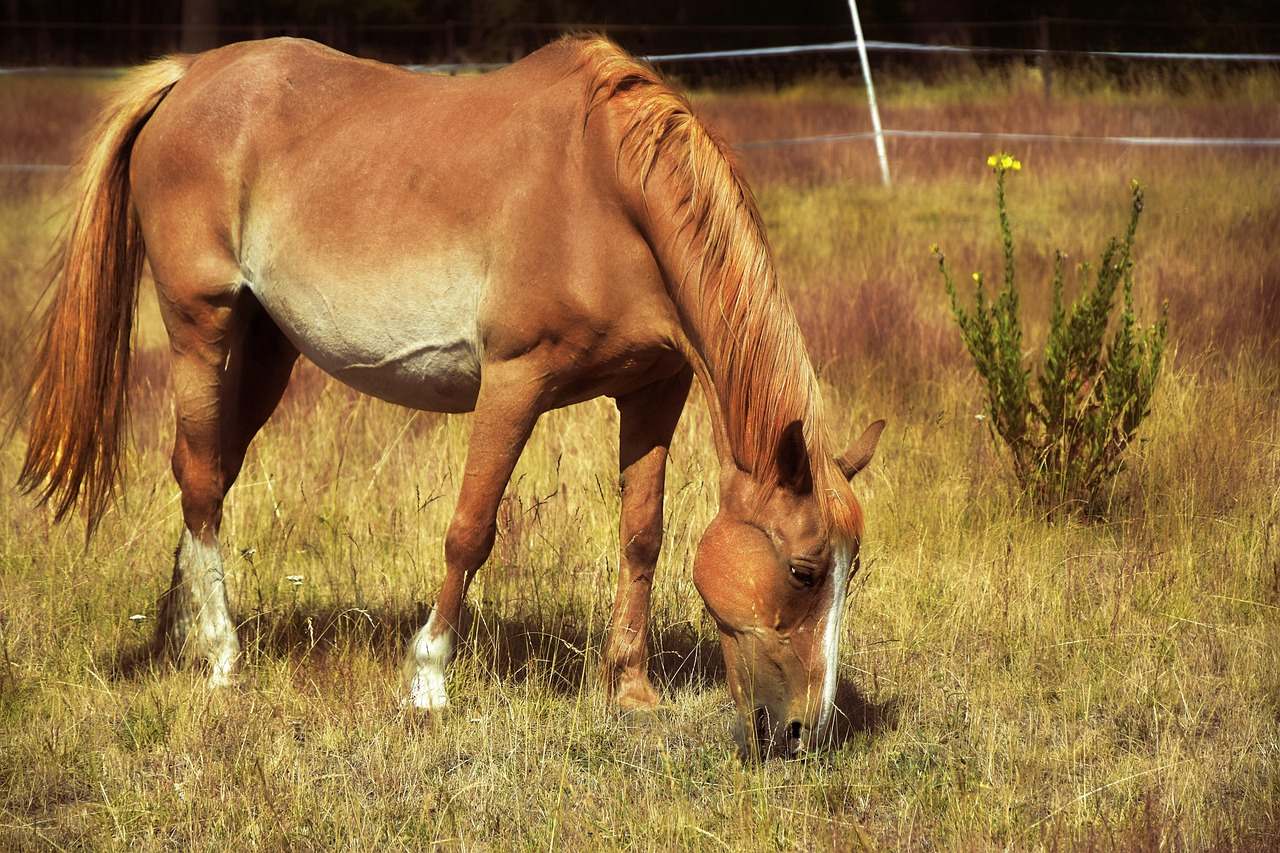
Manitoba Agriculture says sheep and horses have similar needs to cattle, while goats browse different species and suit mixed grazing systems. It also advises keeping stocking rates conservative and monitoring them, especially during drought.
Frequently asked questions
How long should a paddock rest between grazings?
Show answer
Think of roughly a month as the typical target, with enough regrowth that the grass is tall again. Virginia Tech Extension adds that recovery runs quicker in spring and fall than in summer, so let the plants, not the date, decide.
Do I need electric fencing everywhere?
Show answer
Not necessarily. Washington State University Extension pairs a sturdy permanent boundary with temporary fences inside, so only the outer line has to be built to last.
What if the grass outgrows my animals?
Show answer
Make hay from the excess. Manitoba Agriculture says surplus can be cut for hay, and having spare pasture available gives you somewhere else to graze while the fast-growing paddocks are mowed.
Can horses or goats be rotated the same way?
Show answer
Mostly, yes. Manitoba Agriculture says horses have needs similar to cattle and do better in longer paddocks for exercise, while goats browse different plants and work well alongside other animals.
How much does a grazing animal eat?
Show answer
Manitoba Agriculture reports that typical forage intake falls between 2.5-4% of body weight. Use that range to estimate how much pasture each paddock must supply before you set group sizes.